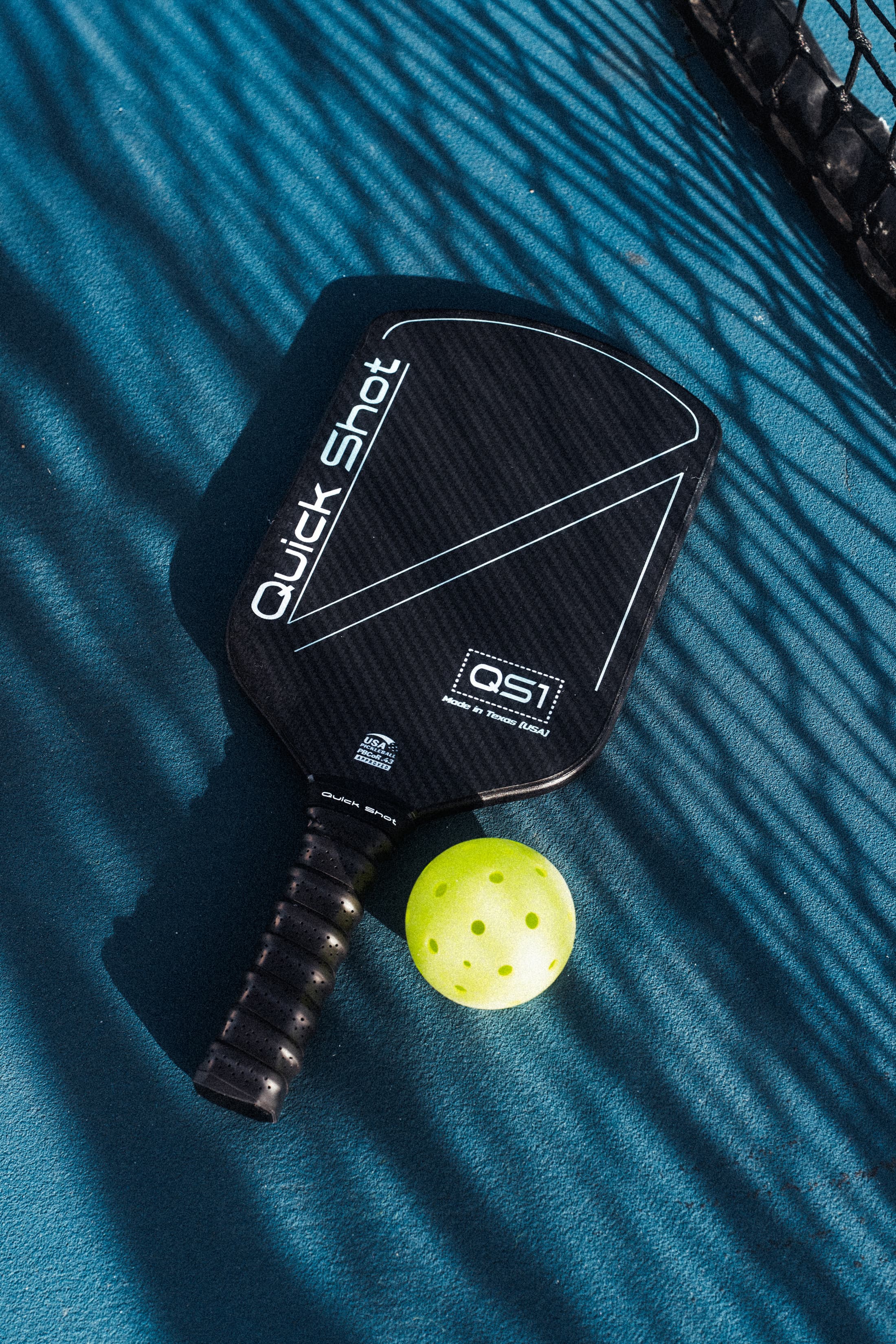
Smart Pickleball Paddles in 2026: What They Do, What They Don't, and What's Next
"Smart paddle" has become a buzzword, and like most buzzwords it means three different things depending on who is selling it. Let's cut through the noise. Here's what smart pickleball paddles actually do in 2026, what the categories really are, and where the technology is genuinely heading.
Three Categories of Smart Paddle
1. NFC / Identity Paddles (The Reliable Version)
A passive NFC chip embedded in the paddle handle or body gives the paddle a unique digital identity. Tap a phone to the paddle and the phone reads the chip in about 50 milliseconds. What this enables:
- Instant paddle registration out of the box
- Player profile sharing (tap to connect)
- Anti-counterfeit verification
- Group / match pairing at tournaments
No battery, no maintenance, no durability concerns. The chip will outlive the paddle. This is the category every Quick Shot paddle ships in — see our detailed NFC paddle technology article for how it works.
2. Active Sensor Paddles (The Experimental Version)
A battery, accelerometer, and Bluetooth radio embedded in the paddle. Captures swing speed, impact force, contact location, and shot classification in real time. Data streams to your phone via an app.
The promise is huge. The current reality includes:
- Battery life (recharging via mini-USB every few sessions)
- Weight impact (5–10 grams added in a sport where weight is scrutinized)
- Reliability (sensors eventually fail from repeated impact)
- Waterproofing (outdoor play + rain = risk)
- Sensor drift (accelerometers can lose calibration over time)
A few boutique brands have tried this, and the results have been mixed. For most players, the active-sensor paddle is not yet ready for prime time.
3. Paddle-as-a-Key Paddles
A middle category: paddles with NFC plus a connection to a court-side reader or smart-court infrastructure. The paddle authenticates you for court access, league check-in, or locker-style rental systems. This is more common at high-tech clubs and tournament venues than in consumer use.
Why We Chose Passive Over Active
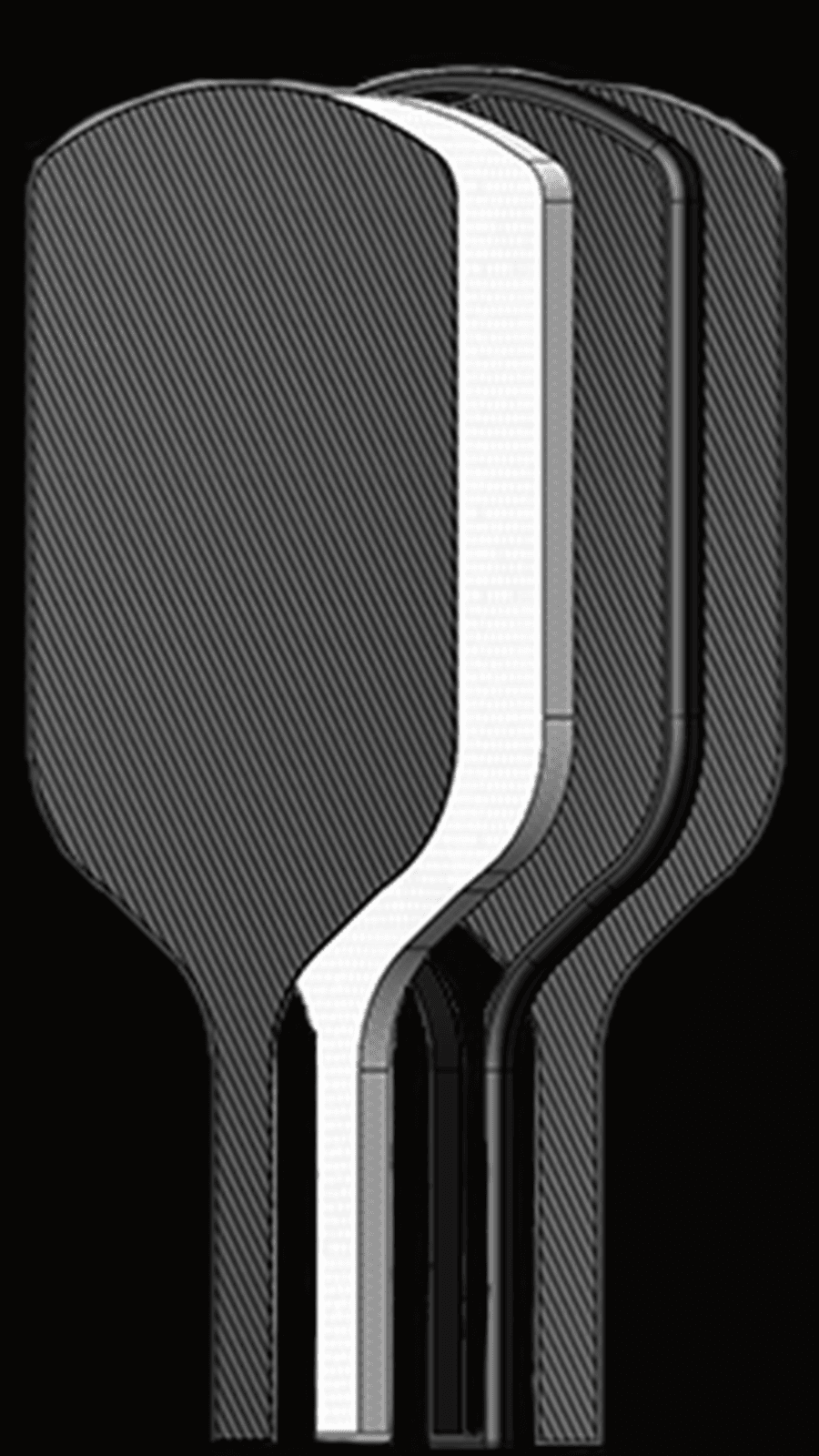
We built the QS1 around passive NFC deliberately. The math:
- Weight: passive NFC adds about 0.2 grams. Active sensor paddle adds 5–10 grams — enough to affect play.
- Reliability: passive chip works 100% of the time for the life of the paddle. Active sensors have failure modes: dead batteries, water ingress, firmware bugs.
- Cost: passive NFC costs pennies. Active sensor setups cost $30–$80 in components, pushing paddle retail prices up significantly.
- Player experience: passive is invisible. Active requires learning to charge a paddle, which nobody wants to do.
We'll integrate active sensors when the failure modes are solved and the weight is under 2 grams. Until then, passive NFC is the pragmatic choice.
What QS Connect Does With the Paddle
The features that pair NFC paddles with our QS Connect app:
- Tap to register a new paddle to your account
- Tap to share your player profile with a new contact
- Tap to join a group chat or organized session
- Tap to verify paddle authenticity (especially on resale)
- View build batch, manufacture date, and warranty status
Full app walkthrough in our QS Connect app guide.
Download Quick Shot Connect
Your pickleball hub — register paddles with NFC, schedule games, run brackets, and connect with players.
Where Smart Paddles Are Going
Three trends to watch over the next 2–3 years:
- Active sensors get small enough to matter. Once accelerometer + BLE + battery fits in under 2 grams, shot tracking becomes practical. Estimated: 2027–2028 for consumer-ready units.
- Court-embedded readers become common. Smart courts with NFC-enabled entry, scoring, and session logging are being piloted in some high-end facilities.
- Paddle + wearable pairing. The paddle acts as the identifier, a smartwatch or phone captures motion data, and the app correlates the two. This is probably the near-term winner — spreads complexity across devices that already exist.
How to Shop Smart Paddles Today
- Always favor passive NFC in 2026 — it adds capability without compromise.
- Be skeptical of marketing claims for active sensors. Ask for third-party reviews, not just the brand's demo video.
- Check the companion app before buying. A smart paddle is only as good as the app it pairs with.
- Don't pay a huge premium for early-stage tech. $300+ smart paddles today often rely on tech that will be $150 tech in 2028.
?Frequently Asked Questions
What is a smart pickleball paddle?
A smart pickleball paddle is one that includes some form of digital identity or sensor that connects to a phone app. In 2026, the reliable version of this is NFC-embedded paddles (like every Quick Shot paddle) that let you tap-to-pair, share profiles, and register your paddle. Active-sensor paddles with motion tracking exist but are still early and have battery and reliability challenges.
Can a smart paddle track my shots?
Some experimental paddles with embedded accelerometers claim to, but real-world reliability is mixed. The better current solution for shot tracking is your phone or smartwatch mounted nearby, or video review. NFC paddles today focus on identity and connection features, not shot analytics.
Is a smart paddle worth it?
If the smart features are passive (NFC with no battery, no maintenance), absolutely — they add capability without trade-offs. If the smart features are active (require charging, add weight, risk malfunction), the utility has to be worth the added fragility. Most players will get value from passive smart paddles long before active-sensor paddles are ready for mainstream use.

Builds the Quick Shot website, the QS Connect app, and the NFC firmware embedded in every Quick Shot paddle.