Pickleball Paddle Buying Guide 2026: Everything You Need to Know
The pickleball paddle market has exploded. Dozens of brands, hundreds of models, buzzwords like "thermoformed" and "propulsion core" — it's enough to give anyone analysis paralysis. This guide cuts through the noise and focuses on the variables that actually matter when choosing a paddle.
Step 1: Core Thickness
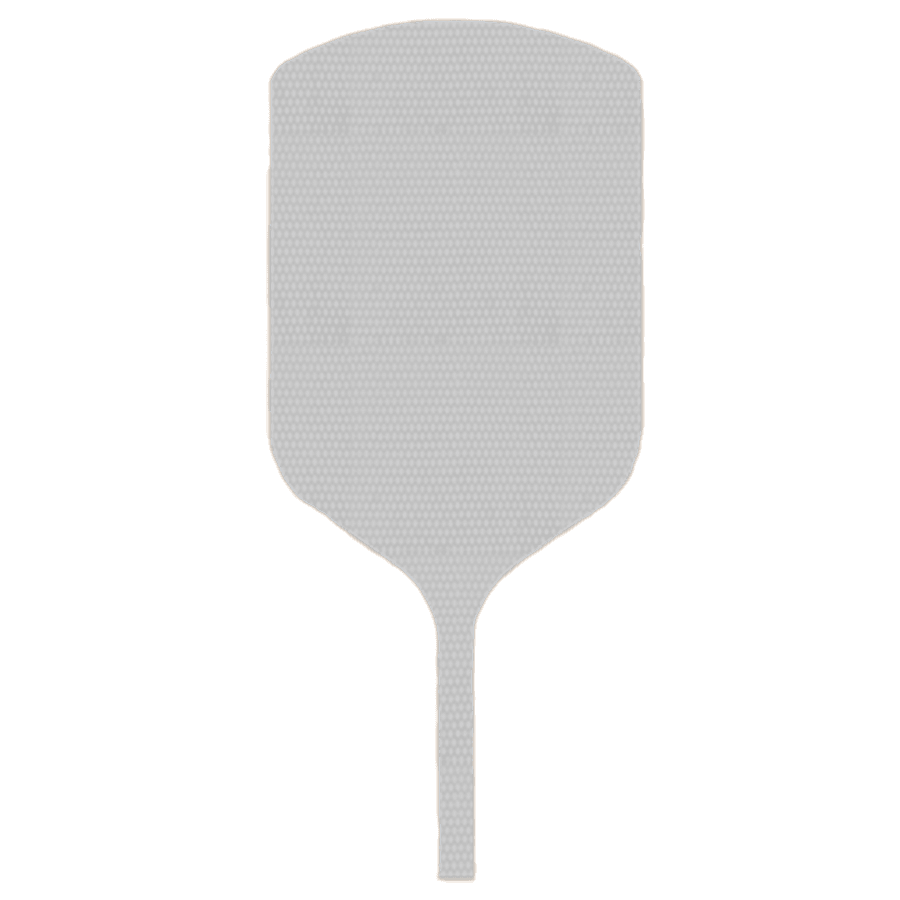
The core is the most important variable. Almost every modern paddle uses a polypropylene honeycomb core, but the thickness varies significantly and changes how the paddle feels and performs.
- 13mm (thin): Maximum power, crisp feel, smaller sweet spot. Best for aggressive players who hit hard and flat.
- 14mm (mid): Balanced power and control. Large sweet spot with enough pop for drives. The choice of most competitive all-around players.
- 16mm (thick): Maximum control and comfort. Soft feel, large sweet spot, excellent vibration dampening. Best for touch players and those with arm issues.
If you're not sure, start with 14mm or 16mm. You can always add power through technique, but you can't add control through a paddle that's too thin for your skill level. Read our deep dive on honeycomb core technology for the full engineering breakdown.
Step 2: Face Material
The face is what contacts the ball. Your two primary options are carbon fiber and fiberglass.
Carbon fiber is the premium standard. Raw carbon fiber provides a textured surface that grips the ball, generating significantly more spin. It's also more durable and offers crisper feedback for touch shots. 3K Twill-grade carbon fiber is the benchmark.
Fiberglass is more affordable and provides a softer, more flexible feel with natural power (the "trampoline effect"). It's a solid choice for beginners or players who prioritize raw pop over spin.
For a detailed comparison, read our guide on carbon fiber vs fiberglass paddles.
Step 3: Weight
Paddle weight affects everything from swing speed to arm fatigue. There's no universally "best" weight — it depends on your play style and physical condition.
- Lightweight (under 7.3 oz): Fast hands, quick transitions at the net. Less driving power. Best for reactive, finesse-oriented players.
- Mid-weight (7.3–8.2 oz): The sweet spot for most players. Enough mass for powerful drives without sacrificing hand speed. This is where the majority of tournament paddles sit.
- Heavyweight (8.3+ oz): Maximum power on drives and serves. Can cause arm fatigue over long sessions. Best for power-focused players with good conditioning.
Step 4: Shape
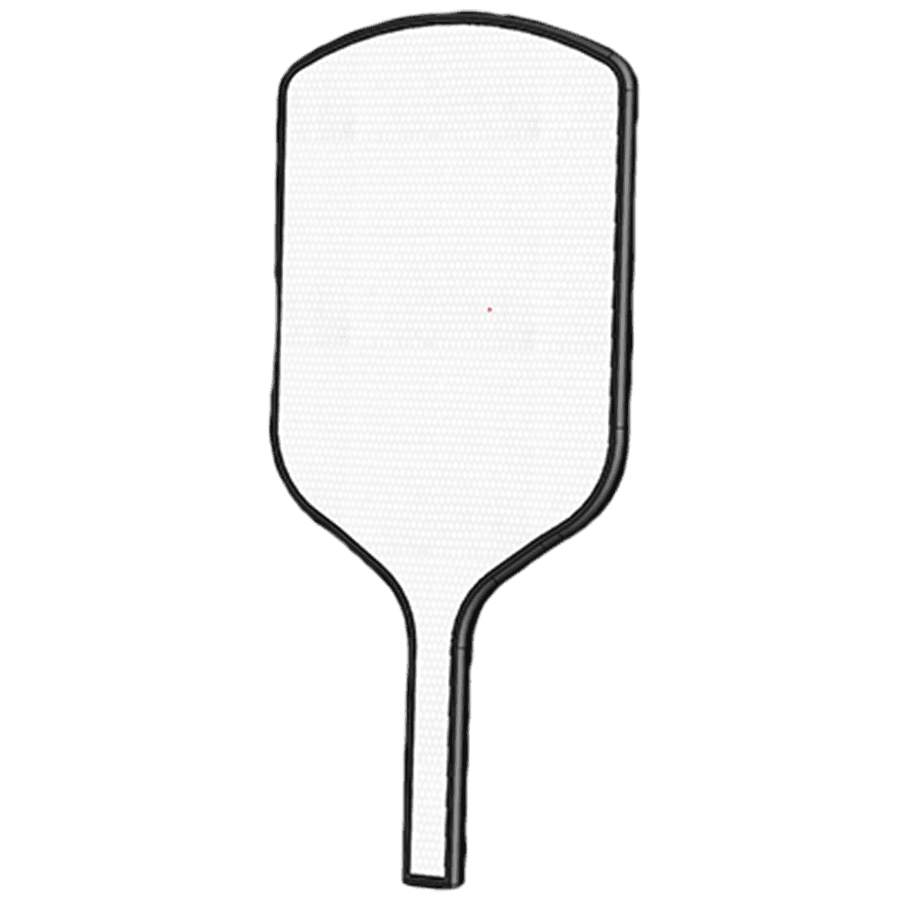
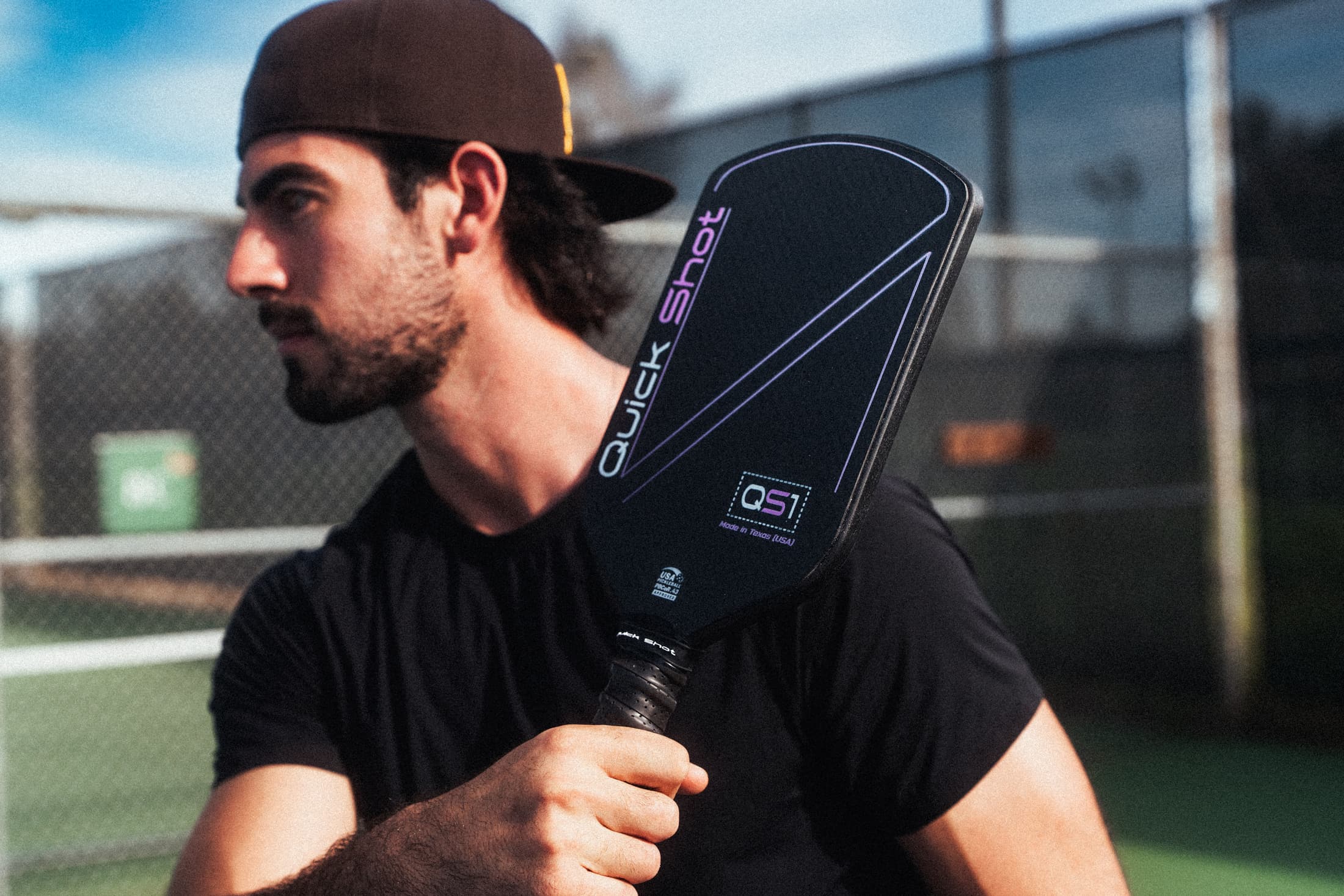
Paddle shape affects reach, sweet spot location, and maneuverability.
Standard/widebody shapes have a wider face, creating a larger sweet spot centered in the middle of the paddle. More forgiving on off-center hits. Ideal for beginners and intermediate players.
Elongated shapes are taller and narrower, shifting the sweet spot higher and providing extra reach. Popular with advanced players who value reach and spin over forgiveness.
Step 5: Grip Size
Grip circumference typically ranges from 4" to 4.5". A grip that's too small causes excessive wrist movement; too large restricts wrist snap. Most adult players fit a 4.25" grip. You can always add an overgrip to increase size, but you can't reduce a grip that's too thick.
Ready to Upgrade Your Game?
Shop premium handcrafted pickleball paddles — carbon fiber faces, honeycomb cores, USA Pickleball approved.
Shop Quick Shot PaddlesStep 6: USA Pickleball Approval
If you play in any organized setting — leagues, tournaments, or sanctioned events — your paddle must be USA Pickleball approved. This certification ensures the paddle meets regulations for size, surface texture, and deflection. All Quick Shot paddles are USA Pickleball approved.
Our Recommendation
For most players, the ideal paddle in 2026 has these specs:
- 14–16mm polypropylene honeycomb core
- Raw 3K Twill carbon fiber face
- 7.6–8.2 oz total weight
- USA Pickleball approved
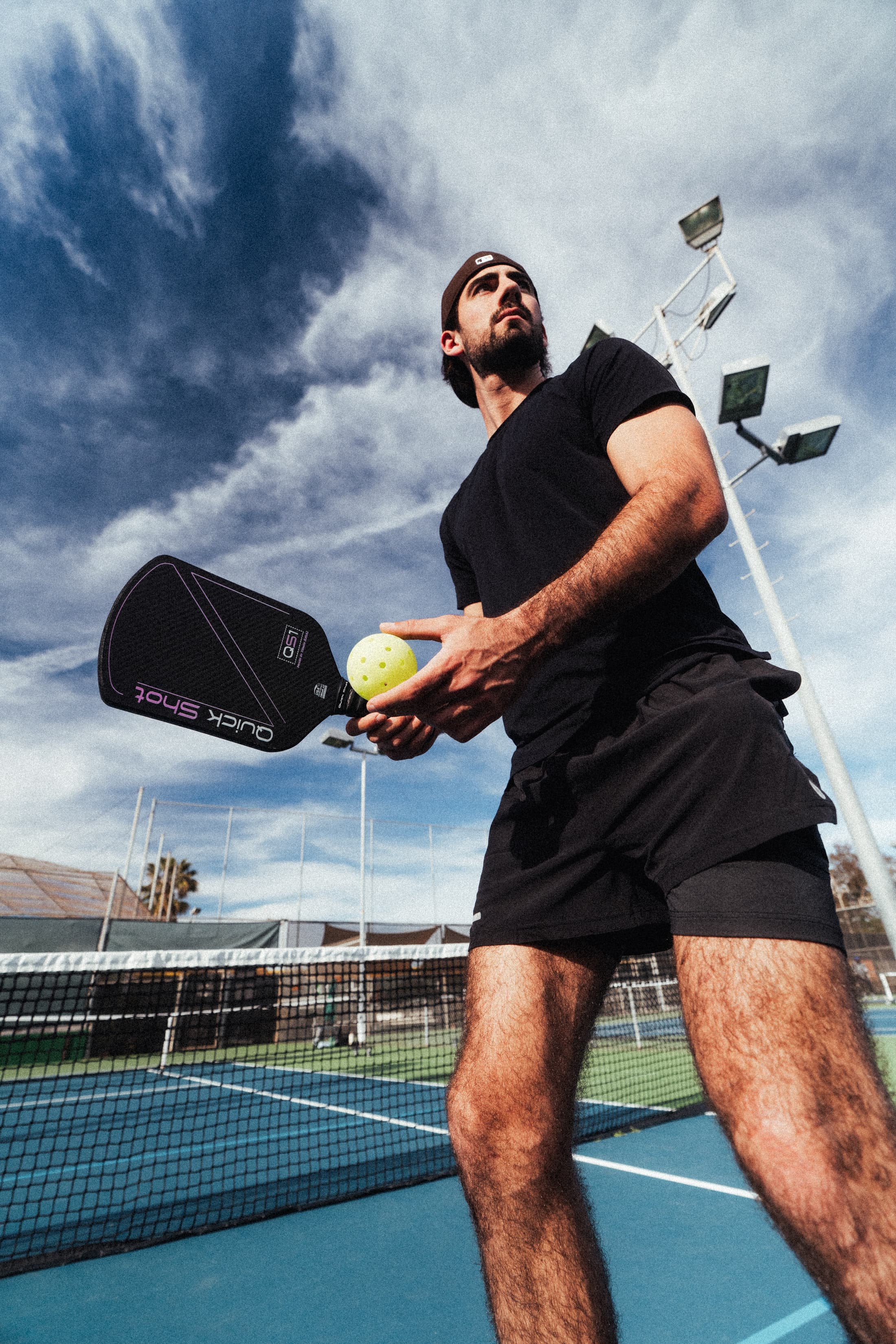
Quick Shot paddles are built to exactly these specifications — with the added benefit of being handcrafted in Texas rather than mass-produced overseas.
?Frequently Asked Questions
What is the best pickleball paddle for all-around play?
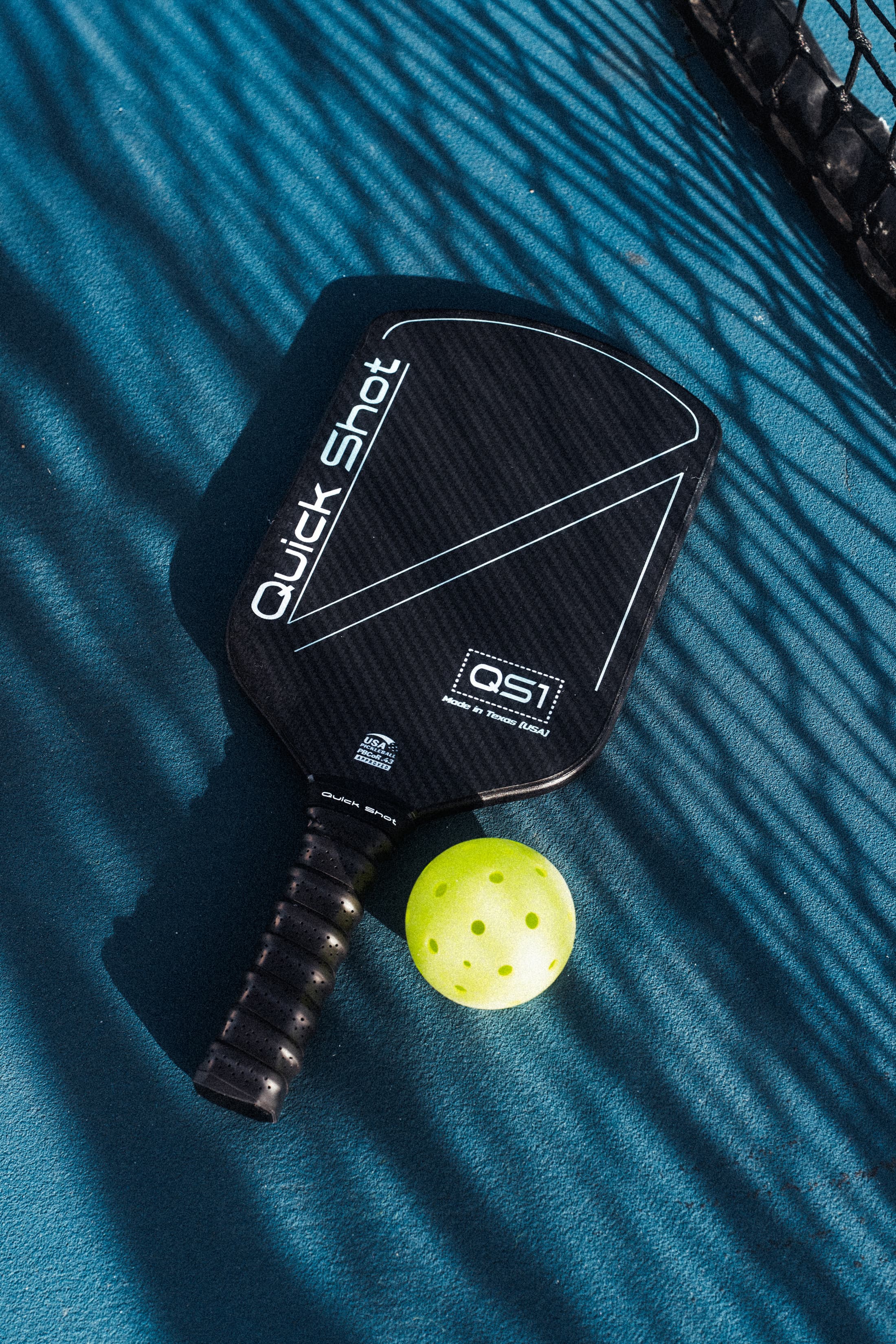
The best all-around paddle has a 14–16mm polypropylene honeycomb core, a raw carbon fiber face, weighs between 7.6–8.2 oz, and is USA Pickleball approved. Quick Shot Paddles check all of these boxes with their standard QS1 model.
How much should I spend on a pickleball paddle?
Beginners can start with $40–$80 paddles. Intermediate players should invest $100–$200 in a carbon fiber paddle. Competitive players typically spend $150–$300 for tournament-grade equipment. The sweet spot for most players is $150–$200.
Does paddle weight really matter?
Yes. Lightweight paddles (under 7.3 oz) offer quick maneuverability for net play. Mid-weight (7.3–8.2 oz) provides the best all-around balance. Heavyweight (8.3+ oz) adds power but can cause arm fatigue. Most players perform best in the mid-weight range.

Co-founder and lead play-tester at Quick Shot Paddles. Sets the performance bar for every paddle before it ships.