Carbon Fiber vs Fiberglass Pickleball Paddles: Which Is Better?
Walk into any pickleball shop and you'll face the same question every player eventually asks: carbon fiber or fiberglass? These two face materials dominate the paddle market, and the choice between them affects everything from spin generation to how the paddle feels in your hand on a cold morning.
This isn't a theoretical comparison. We build paddles by hand — cutting carbon fiber sheets, laying cores, pressing faces — and we've tested both materials extensively. Here's what actually matters when choosing between them.
What Is Carbon Fiber?
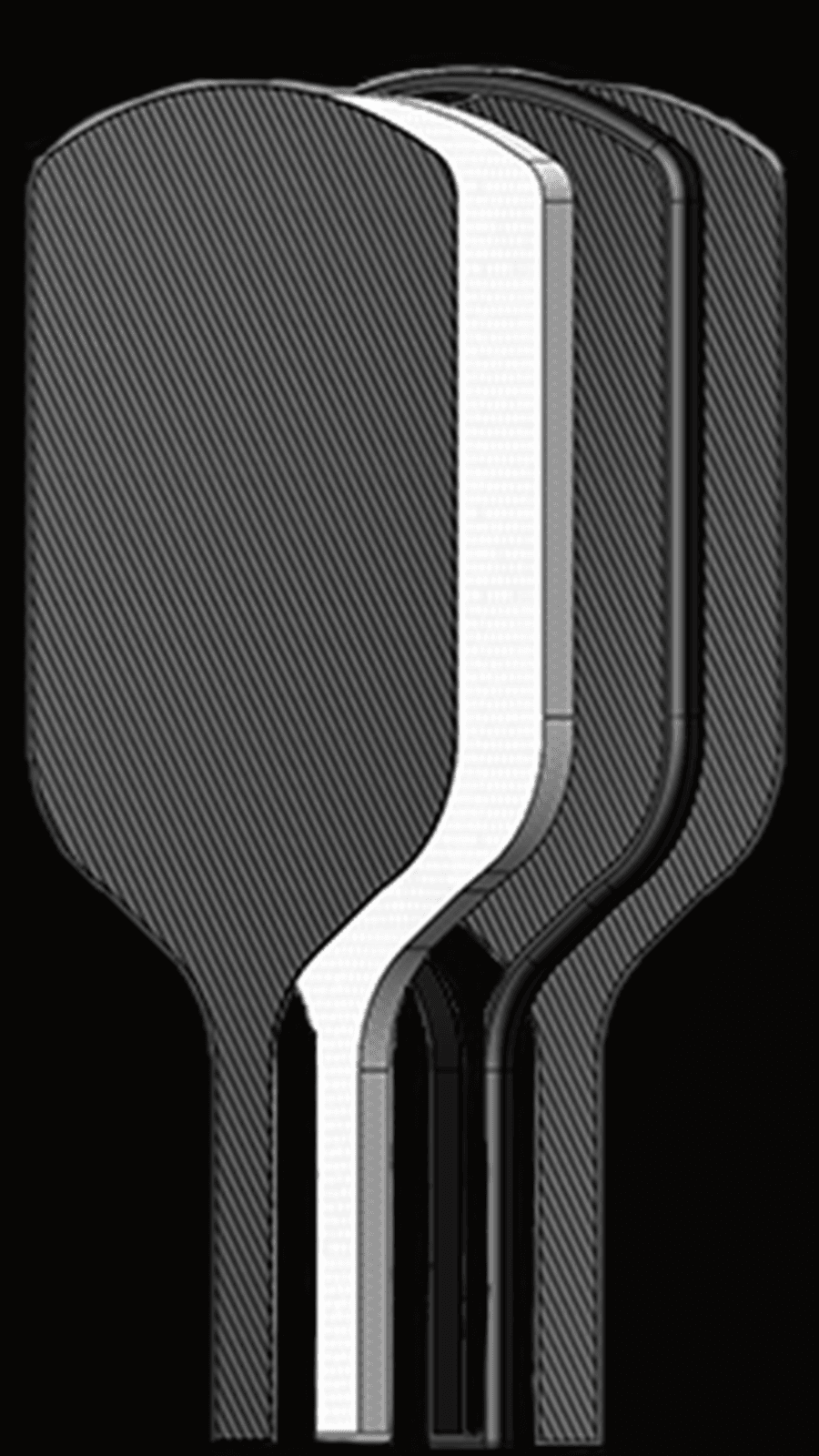
Carbon fiber is a woven fabric of incredibly thin filaments — each one thinner than a human hair — bonded together with resin. The result is a material that's lighter than aluminum yet stronger than steel. In pickleball paddles, the carbon fiber face is what makes contact with the ball, and its texture directly affects spin, control, and feel.
Not all carbon fiber is created equal. The industry standard for premium paddles is 3K Twill carbon fiber, which provides an optimal balance of stiffness and flexibility. At Quick Shot, we use raw 3K Twill carbon fiber — not a "carbon fiber feel" coating over fiberglass, which some brands use to mislead buyers.
What Is Fiberglass?
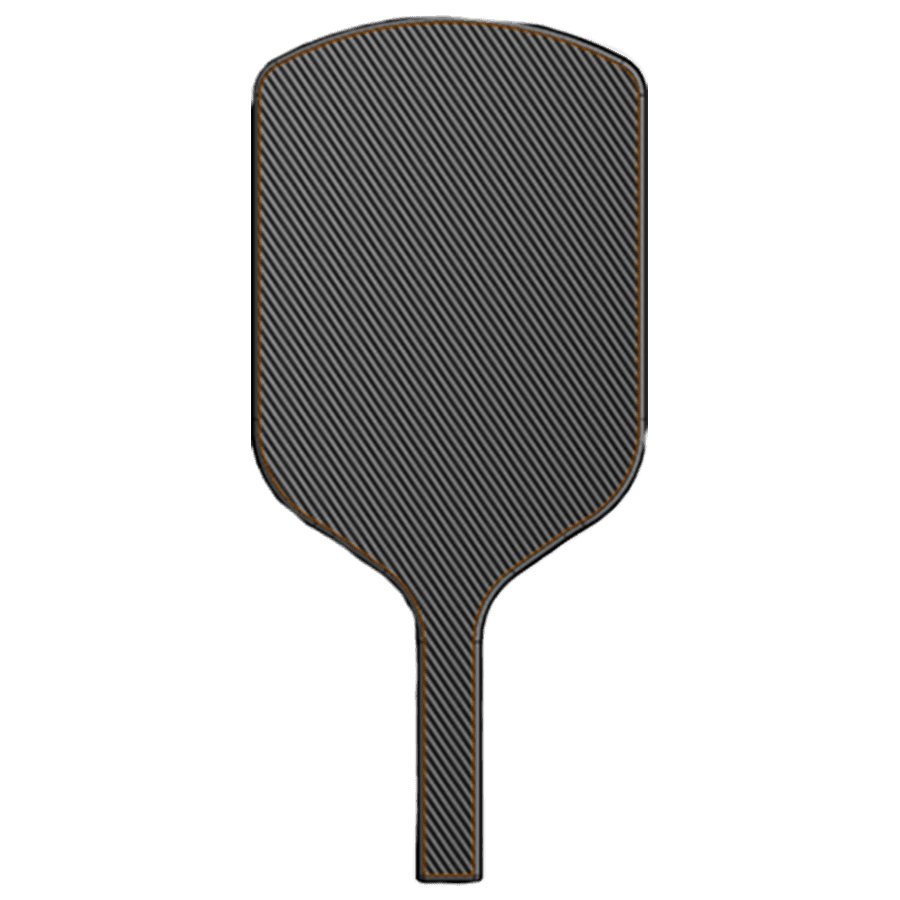
Fiberglass (also called composite) is made from woven glass fibers bonded with resin. It's been used in sports equipment for decades and was the original premium paddle face material before carbon fiber took over. Fiberglass is more flexible on impact, which creates a "trampoline effect" — the ball compresses into the face slightly before bouncing off.
Head-to-Head Comparison
Spin Generation
Carbon fiber wins decisively. The raw, textured surface of carbon fiber grips the ball on contact, generating significantly more RPM (revolutions per minute) than smooth fiberglass. Tournament-level carbon fiber paddles produce 1,600–1,700+ RPM, while fiberglass typically maxes out around 1,400 RPM.
For players who rely on topspin drives, dink angles, and serve spin, carbon fiber is the clear choice.
Power
Fiberglass has a slight edge in raw pop. The flexible face acts like a slingshot, returning energy to the ball. This makes fiberglass paddles feel "hot" off the face — drives and overheads carry extra velocity without extra effort.
Carbon fiber paddles aren't lacking in power, though. The stiffer face transfers energy more efficiently from your swing, giving you consistent, controllable power rather than unpredictable pop.
Control and Feel
Carbon fiber provides more precise feedback. You can feel exactly where the ball contacts the paddle face, which makes soft shots like dinks, resets, and drop shots more predictable. Fiberglass dampens some of that feedback, which can be forgiving for beginners but limits touch for advanced players.
Durability
Carbon fiber is significantly more durable. A quality carbon fiber face maintains its texture and performance characteristics for 1–2 years of regular play. Fiberglass faces tend to smooth out and develop dead spots within 3–6 months, meaning you'll need to replace the paddle sooner.
Ready to Upgrade Your Game?
Shop premium pickleball paddles, designed and manufactured in the US — carbon fiber faces, honeycomb cores, USA Pickleball approved.
Shop Quick Shot PaddlesPrice
Fiberglass paddles are generally cheaper, with good options in the $40–$80 range. Carbon fiber paddles start around $100 and premium models run $150–$300. The higher upfront cost is offset by longer lifespan and better performance.
Which Should You Choose?
Choose carbon fiber if: you play 2+ times per week, you're at an intermediate level or above, you value spin and control, or you want a paddle that lasts.
Choose fiberglass if: you're brand new to pickleball, you play casually, you want maximum pop on a tight budget, or you prefer a softer feel on impact.
The Quick Shot Approach
Every Quick Shot paddle uses raw 3K Twill carbon fiber faces — not coated, not blended, not "carbon fiber feel." We infuse the carbon fiber fabric with high-quality epoxy resin in our Texas workshop, ensuring consistent quality that factory production lines can't match. Combined with our 14mm polypropylene honeycomb core, the result is a paddle that delivers elite spin, precise control, and lasting durability.

?Frequently Asked Questions

Lead engineer behind every Quick Shot paddle. Writes about materials, construction, and the engineering behind high-performance paddles.