Honeycomb Core Technology: How It Affects Your Pickleball Game
The face of a paddle gets all the attention — carbon fiber, fiberglass, raw texture — but the core is the engine that drives performance. Every time the ball hits your paddle, the core is what absorbs the impact, distributes the energy, and returns it. Understanding core technology is the key to understanding why paddles feel different and perform differently.
How Honeycomb Cores Work
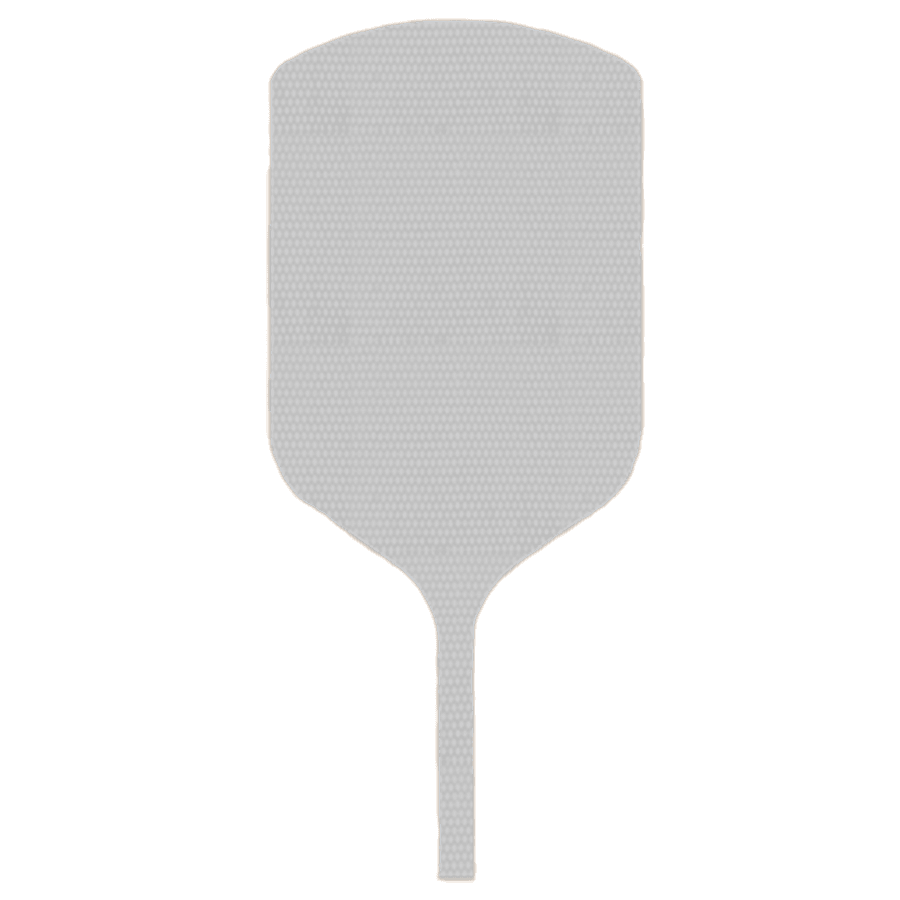
A honeycomb core is a sheet of polypropylene plastic formed into a hexagonal cell pattern — the same geometry you see in a beehive. This shape isn't decorative; it's the most structurally efficient pattern found in nature. Each hexagonal cell distributes force evenly to its neighbors, creating a material that's incredibly strong relative to its weight.
When a pickleball hits your paddle, the honeycomb cells compress slightly under the impact zone. This compression absorbs energy (which you feel as "softness" or "plushness") and then returns a portion of that energy back to the ball (which you feel as "pop" or "power"). The ratio of absorbed-to-returned energy is what separates different core designs.
Core Thickness: The Millimeter Debate
Core thickness is the single biggest factor in how a paddle plays. Most modern paddles use cores between 13mm and 16mm. That 3mm difference has a massive impact on feel.
Thin Cores (13mm)
Thinner cores compress less on impact, which means more energy transfers directly to the ball. The result is more power and a "crisper" feel. Drives, serves, and overheads carry more velocity. The tradeoff: a smaller sweet spot and less vibration dampening, which can be uncomfortable during extended play.
Thick Cores (16mm)
Thicker cores absorb more energy, giving you a softer feel and larger sweet spot. This makes them excellent for control-oriented play — dinks, resets, and drop shots feel more predictable. The extra material also dampens vibration, reducing arm fatigue and the risk of tennis elbow.
The Sweet Spot: 14mm
At Quick Shot, we build our paddles with a 14mm polypropylene honeycomb core. This is a deliberate engineering choice — it sits at the intersection of power and control. You get enough compression for a comfortable, controlled touch game without sacrificing the pop you need for aggressive drives. It's the same reason many touring professionals are gravitating toward mid-thickness cores.
Ready to Upgrade Your Game?
Shop premium pickleball paddles, designed and manufactured in the US — carbon fiber faces, honeycomb cores, USA Pickleball approved.
Shop Quick Shot PaddlesCell Size and Density
Beyond thickness, the size of individual honeycomb cells matters. Smaller cells create a denser core with more consistent energy distribution across the paddle face. This enlarges the "sweet spot" — the area where the paddle performs optimally. Larger cells are lighter but concentrate energy distribution, leading to more performance variation across the face.
Why Polypropylene?
Almost all competitive paddles use polypropylene (PP) for their honeycomb cores. The material offers the best balance of:
- Energy absorption and return
- Weight-to-strength ratio
- Vibration dampening
- Durability and longevity
- Consistent performance in varying temperatures
Some brands experiment with Nomex (an aramid fiber compound) or aluminum cores, but polypropylene remains the standard for a reason — it provides the most predictable, comfortable playing experience for the widest range of skill levels.
How Core Technology Connects to Everything Else
The core doesn't work in isolation. It interacts with the face material, edge construction, and overall paddle weight to create the total playing experience. A carbon fiber face paired with a 14mm honeycomb core — like every Quick Shot paddle — delivers the balance of spin, control, and power that serious players need. Explore our technology page for a deeper look at how every component works together.
?Frequently Asked Questions

Lead engineer behind every Quick Shot paddle. Writes about materials, construction, and the engineering behind high-performance paddles.