Best Pickleball Paddle for Intermediate Players (3.5–4.0) in 2026
The 3.5–4.0 level is where pickleball really starts rewarding equipment. A beginner with a $40 paddle can still be a beginner. A 3.5 player with a $40 paddle is losing points their paddle should be giving them. This guide is for the graduate — players who are ready for a real paddle but don't want to overspend on pro-level kit.
What Changed Since Your First Paddle
Your first paddle probably came as part of a $60 set or as an entry-level fiberglass model under $100. That was the right choice — you didn't know what you liked, and you were building technique. Now:
- Your drives have pace and direction.
- Your dinks cross the net consistently below shoulder height.
- You know what a third shot drop is (even if it isn't perfect yet).
- You are losing points to spin that your paddle can't return.
It is time for a paddle that pulls its weight.
Specs to Target for Intermediate Play
1. Raw 3K Twill Carbon Fiber Face
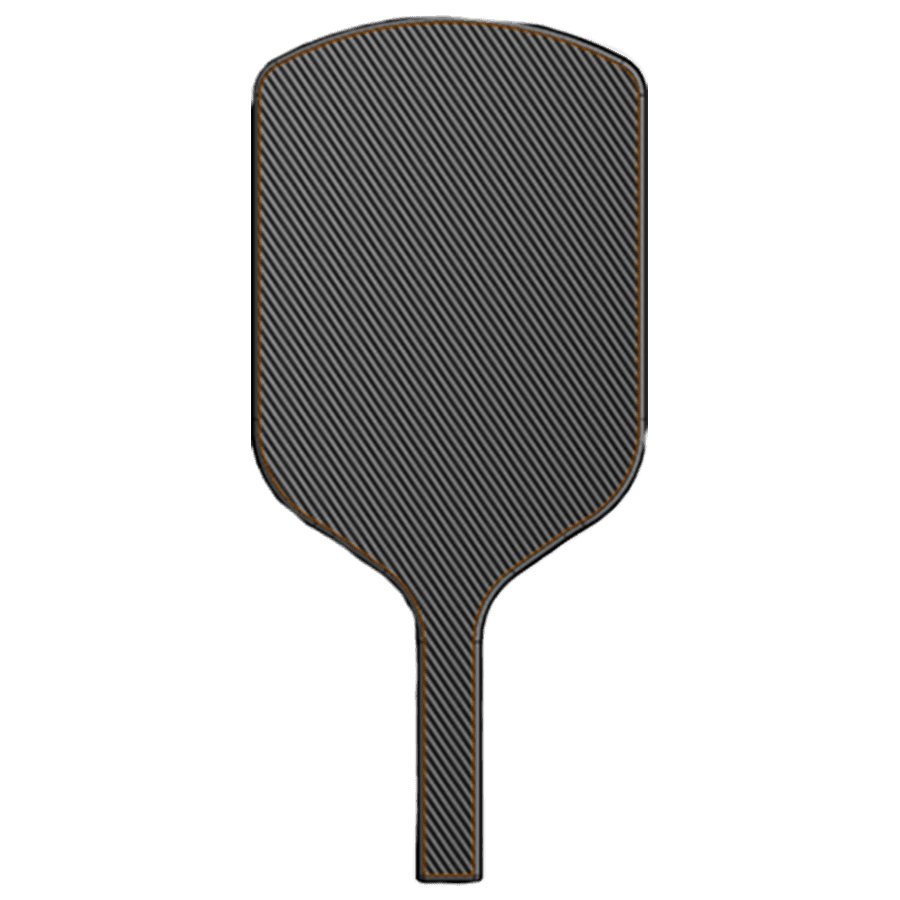
Not "carbon feel." Not "carbon infused." Not painted composite. Raw 3K Twill carbon fiber is the single biggest performance jump from a beginner paddle. You'll feel it immediately — more spin, more consistent pop, and cleaner feedback on every contact.
See our breakdown of what 3K Twill carbon fiber actually is for why it matters.
2. 16mm Polypropylene Honeycomb Core
At this level, a 16mm core gives you the larger sweet spot you need while your technique is still maturing. You can move to 14mm later when your contact is more consistent. For the full comparison, read 14mm vs 16mm paddle cores.
3. Hybrid or Widebody Shape
Elongated paddles have more reach but smaller sweet spots. Intermediate players benefit more from forgiveness than reach. Stick with a hybrid (16.25" × 7.75") or standard widebody (16" × 8").
4. Mid-Weight (7.6–8.0 oz)
Heavy enough for confident drives, light enough for hand battles at the net. Cap yourself at 8.0 oz unless you have a clear tennis/racquetball background.
5. USA Pickleball Approved
If you are entering recreational league play or tournaments (which 3.5+ players usually do), your paddle must be on the USA Pickleball approved list. Non-approved paddles are disqualified at the door.

What to Avoid
- Thermoformed paddles. Core crush becomes a real problem at intermediate play volume. Read our thermoformed paddle guide before buying one.
- Paddles under $120. Below this price, raw carbon fiber is uncommon. You will be stuck with painted composite or low-grade carbon.
- Ultra-thin 13mm paddles. Tight sweet spots punish inconsistent contact, which intermediates still have.
- Flagship pro paddles ($280+). These are designed for players who can extract 5% more from an extreme spec. At 3.5–4.0, you'll never feel the difference — but you'll feel the price.
Ready to Upgrade Your Game?
Shop premium pickleball paddles, designed and manufactured in the US — carbon fiber faces, honeycomb cores, USA Pickleball approved.
Shop Quick Shot PaddlesOur Recommendation
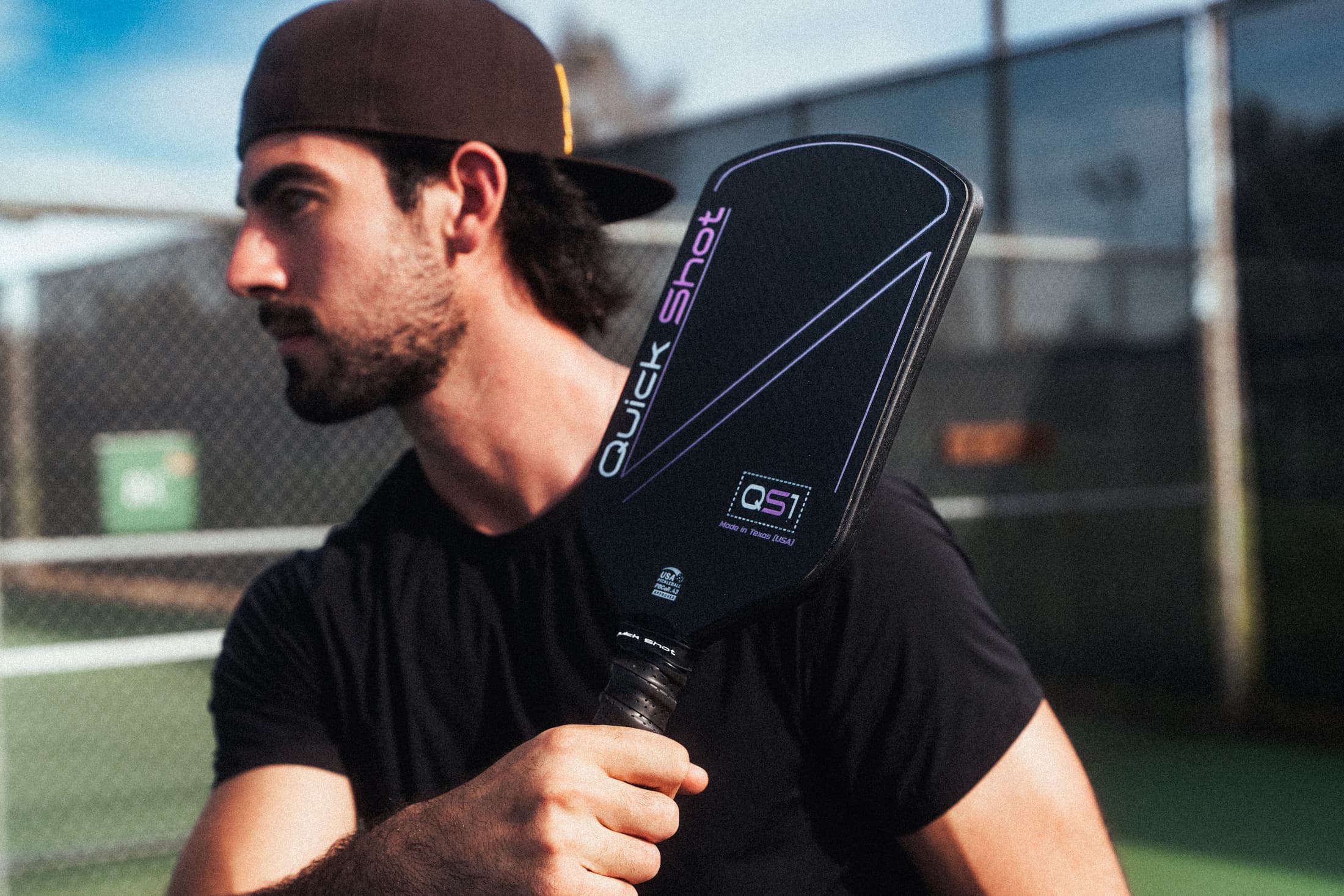
The Quick Shot QS1 (standard) is purpose-built for the 3.5–4.0 player. Raw 3K Twill carbon fiber face, 14mm polypropylene honeycomb core, 7.8–8.0 oz, hybrid shape, manufactured in the US, USA Pickleball approved, and priced well under $200. The QS1's standout feature is its proprietary vibration-dampening 3D printed grip — engineered to absorb shock at the handle so you can play longer without accumulating arm fatigue. Every spec in this article maps directly to how we built it.
More importantly: because we build every paddle in-house, we can consult on your exact playing style and recommend the right Quick Shot variant. Email or DM us before you order if you'd like a recommendation.
When to Upgrade Again
Once you are consistently 4.5+ DUPR and you know whether you are a power player, a control player, or a hybrid — that is the right time to consider a $250+ flagship paddle or a foam core. Until then, a quality intermediate paddle will keep improving your game, not flattering it.
Browse QS1 configurations built for 3.5–4.0 players on the Quick Shot pickleball paddles store, or compare specs side-by-side in our best pickleball paddle 2026 guide.
?Frequently Asked Questions

Co-founder and lead play-tester at Quick Shot Paddles. Sets the performance bar for every paddle before it ships.