Best Pickleball Paddles for Spin in 2026 (Raw Carbon Fiber Picks)
Topspin is the single biggest differentiator between 3.5 and 4.5 pickleball. The ability to dip drives at the baseline, roll dinks with dropping trajectory, and hit attacking drives that stay in the court — all of it comes from RPM. And RPM mostly comes from your paddle.
What Generates Spin — The Paddle Side
Our technique-focused guide on how to generate more spin covers swing path and contact in detail. This article is about the paddle side of the equation — which paddle specs maximize RPM.
The Three Spin-Maximizing Specs
1. Raw Carbon Fiber Face (Non-Negotiable)
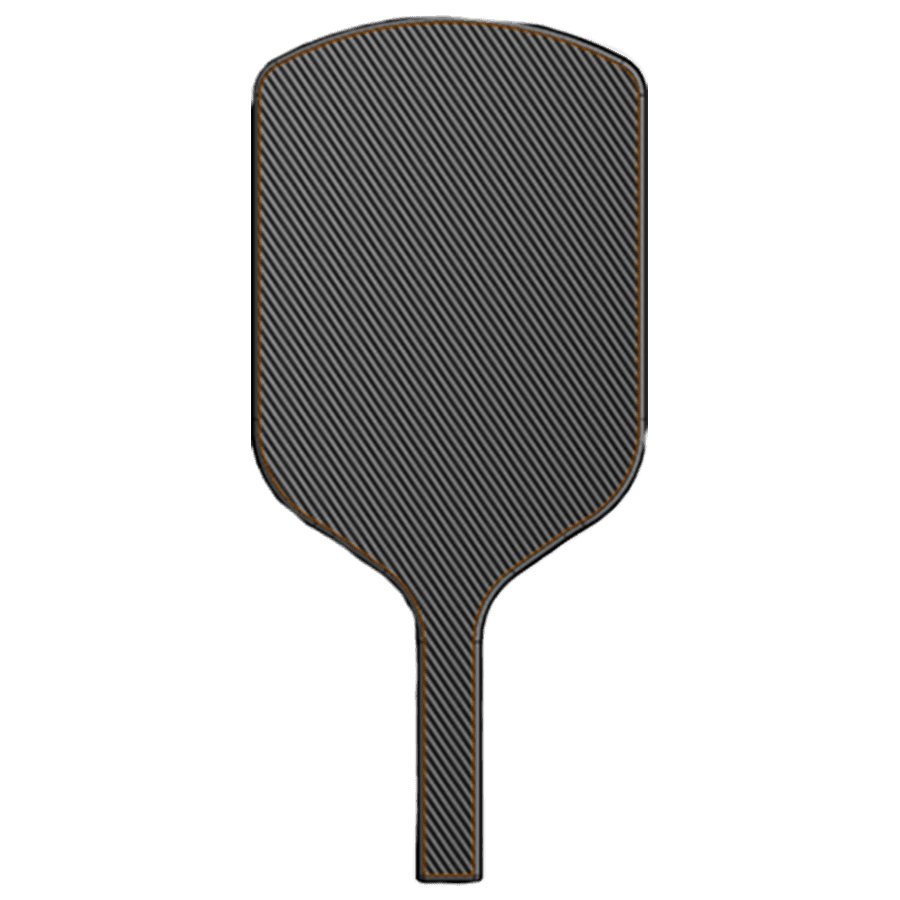
The single most important variable. Raw (unfinished) carbon fiber has microscopic ridges left from the peel-ply release layer used in manufacturing. These ridges grip the ball surface on contact — that's where spin comes from.
Avoid any paddle that is painted, clearcoated, or has decorative graphics over the face. Even a thin coating flattens the micro-texture enough to kill spin by 30–40%.
3K Twill is the industry-standard carbon fiber grade for premium paddles. It balances stiffness and toughness for the best combination of spin and durability. More on 3K Twill carbon fiber here.
2. Coarse Grit or Peel-Ply Finish
Not all raw carbon fiber paddles are equally grippy. The manufacturing process for the face determines final texture:
- Peel-ply finish: coarsest, grippiest, best for maximum RPM. Slightly shorter lifespan because the texture is more exposed.
- Standard raw finish: medium grip, medium lifespan. What most quality paddles use.
- Smoothed / lightly sealed: durability-focused, spin-compromised.
For spin-obsessed players, peel-ply finish is worth the trade-off.
3. Elongated or Hybrid Shape
Shape is a smaller factor than face, but it still matters. Elongated paddles (16.5" long) and hybrid paddles (16.25" long) give the ball slightly more face runway during contact, which means more spin develops before release. Widebody paddles still spin well, just not quite as aggressively.
See our elongated vs widebody comparison to pick the right shape for your overall game.
Specs That Don't Help Spin (Myths)
- Heavier paddles. Weight affects plow-through, not spin. A 7.5 oz raw carbon fiber paddle will out-spin a 8.5 oz painted paddle every time.
- Thinner cores. 13–14mm cores give more pop, not more spin. Core thickness is about power-to-control balance, not RPM.
- Thermoforming. Thermoformed paddles hit harder initially but don't spin meaningfully better than a well-bonded cold-pressed paddle with the same raw-carbon face — so you're paying for a stiffer feel and a known core-crush risk, not more spin. A raw 3K twill face on a cold-pressed build (how the Quick Shot QS1 is made) grips the ball just as hard and holds that grip far longer. See our thermoformed paddle guide for the full breakdown.
RPM Numbers to Expect
In lab testing at our workshop (and cross-referenced against public data from Pickleball Studio and other reviewers):
- Painted fiberglass / composite: 900–1,300 RPM
- Painted or coated carbon fiber: 1,200–1,500 RPM
- Raw 3K Twill carbon fiber, standard finish: 1,500–1,800 RPM
- Raw 3K Twill carbon fiber, peel-ply finish: 1,700–2,000+ RPM
For reference: top pro tournament paddles register 1,800–2,100 RPM on topspin drives. The raw carbon fiber tier is the only one that gets into pro territory.
Ready to Upgrade Your Game?
Shop premium pickleball paddles, designed and manufactured in the US — carbon fiber faces, honeycomb cores, USA Pickleball approved.
Shop Quick Shot PaddlesOur Spin Pick
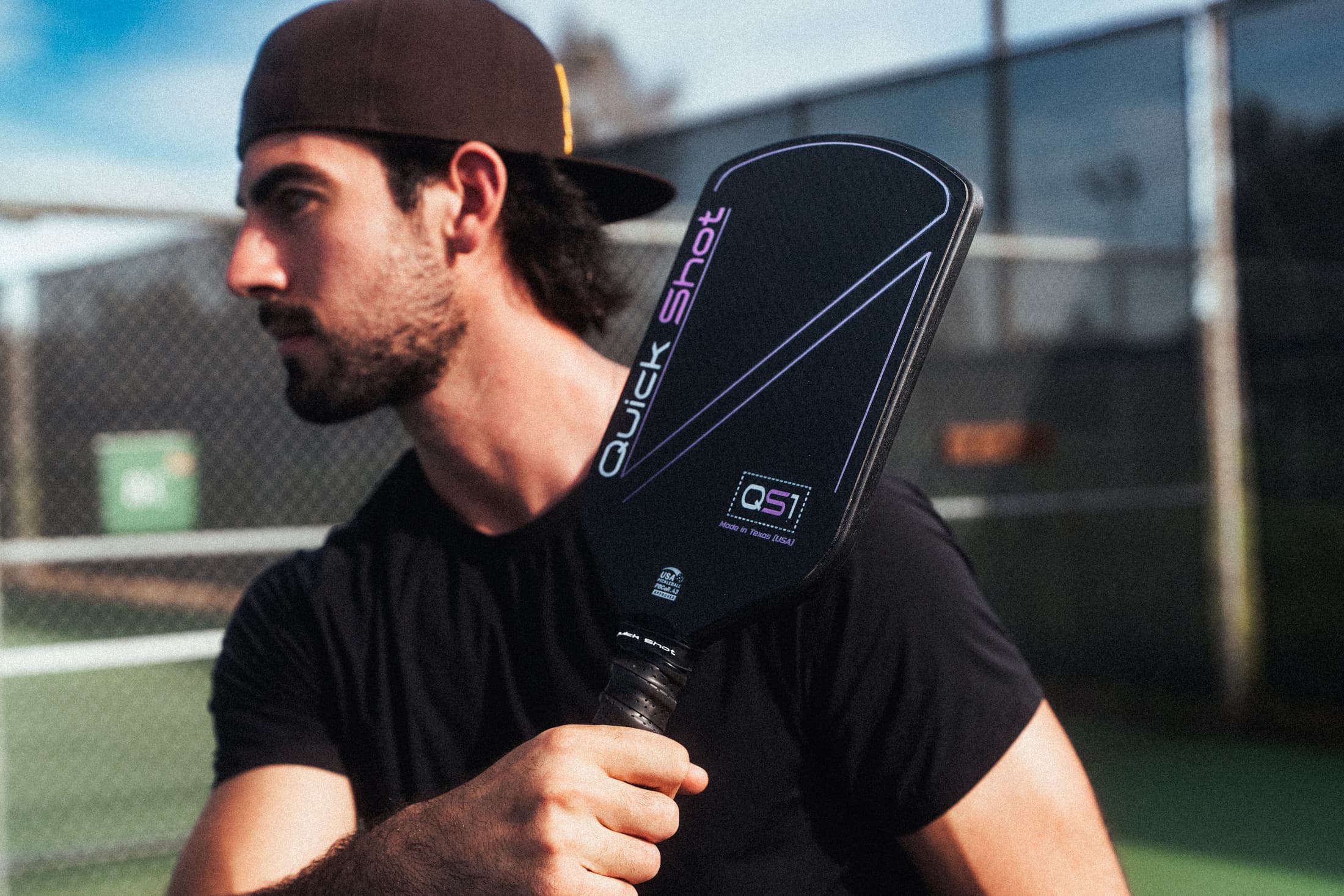
The Quick Shot QS1 is built specifically around the spin-first spec profile. Raw 3K Twill carbon fiber face, hybrid edge geometry that protects the grit without flattening it, mid-weight target for hand speed on topspin rolls, and both 14mm and 16mm core options depending on whether you want more power or more control with your spin.
We keep the face texture as coarse as we can while staying under the USA Pickleball surface-friction limit — which is the exact tightrope every spin-focused paddle brand walks in 2026.
Maintenance for Long-Term Spin
Even the grippiest paddle will lose texture over time if you do not clean it. Full protocol lives in our paddle care and maintenance guide. The short version: damp microfiber after every session, Magic Eraser every two weeks, and never leave the paddle in a hot car.
?Frequently Asked Questions

Co-founder and lead play-tester at Quick Shot Paddles. Sets the performance bar for every paddle before it ships.