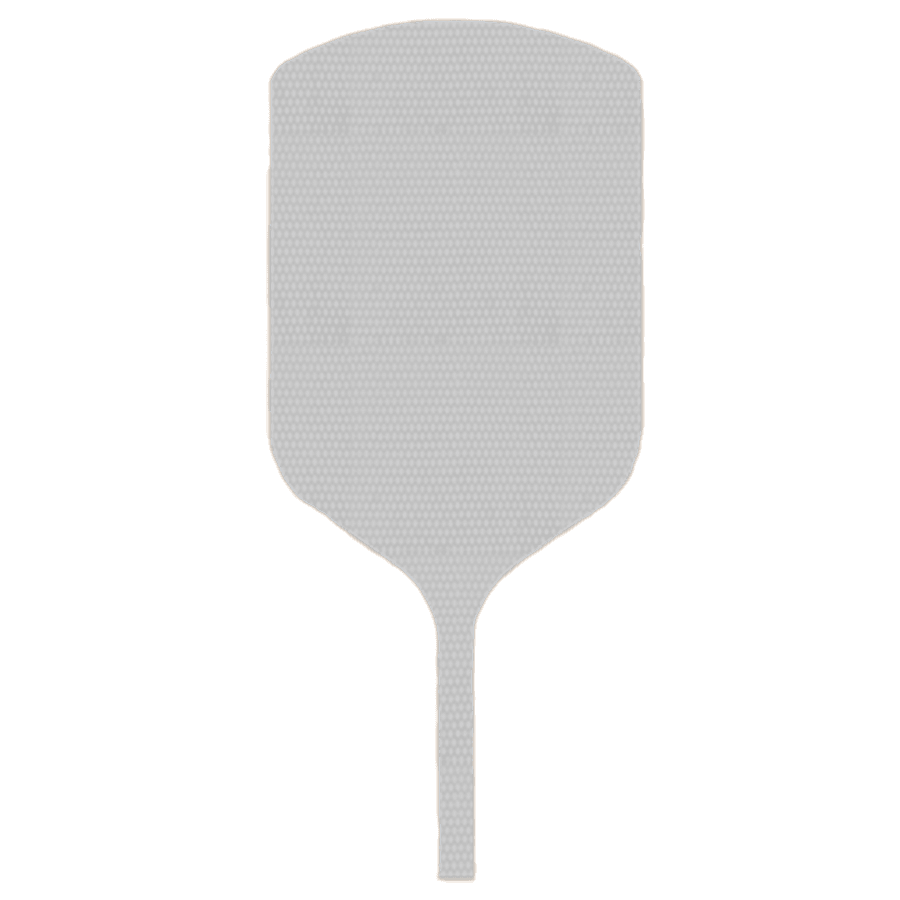
Thermoformed Pickleball Paddles: Pros, Cons & Core-Crush Explained
Between 2023 and 2024, thermoformed paddles dominated almost every "best paddle" list. They hit harder than anything else on the market, had a distinctive unibody look, and got aggressive marketing from the biggest brands. Then the returns started rolling in. This is the clear-eyed look at what thermoforming actually is, why it exploded, and why the industry has largely moved past it.
What Thermoforming Actually Is
Traditional paddle construction is a cold-press process. The honeycomb core is sandwiched between carbon fiber face sheets with epoxy, pressed at room temperature until the epoxy cures, then a plastic edge guard is glued around the perimeter to cover the exposed core.
Thermoforming replaces that with a hot-press unibody process. The carbon fiber sheets are wrapped around the entire paddle — including the edge — placed under heat (typically 250–300°F) and high pressure, and fused into a single seamless piece. There is no separate edge guard because the face material itself forms the edge.
Why It Took Off
Three reasons thermoforming exploded in 2023:
- More power. The unibody construction stiffens the whole paddle, so energy transfer to the ball is more efficient — roughly 8–12% more ball speed on drives vs a comparable cold-press paddle.
- Cleaner aesthetic. No plastic edge guard means a sleeker look. Buyers liked it.
- Marketing momentum. JOOLA, CRBN, Paddletek, and others released flagship thermoformed paddles in quick succession, and the narrative built that thermoforming was the future.
The Core Crush Problem
By mid-2024, complaints piled up online about thermoformed paddles "dying" after 3–6 months of heavy play. The issue, dubbed core crush, went like this:
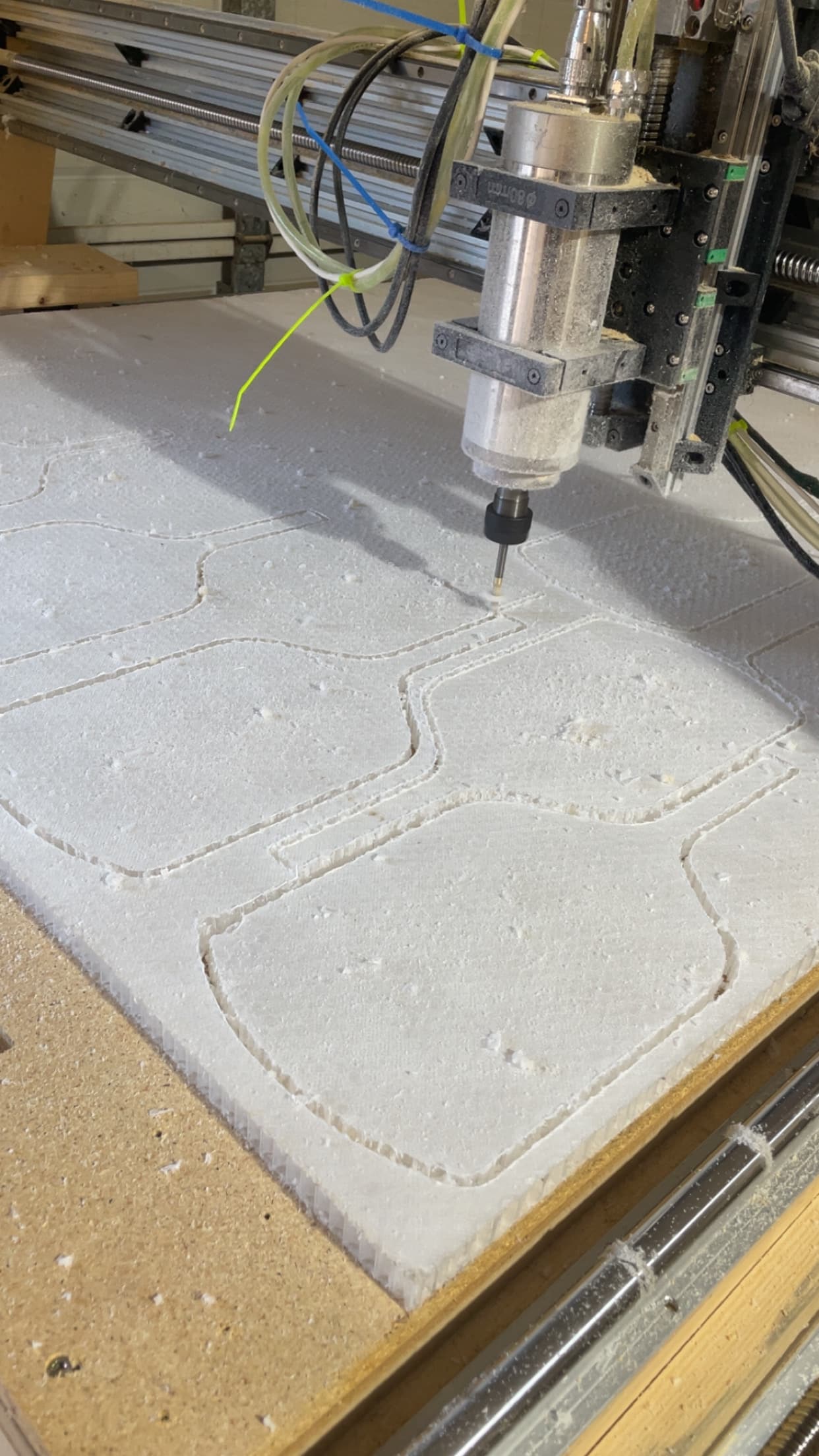
- The high temperature of thermoforming softens the polypropylene honeycomb cells slightly, making them more deformable.
- Under repeated high-impact hits (especially from bangers and hard-hitting pros), the cells permanently compress.
- The paddle develops dead spots — areas where the ball no longer pops the way it used to.
- Power, spin, and control all drop measurably.
Warranty claims surged. Reviewers who had named thermoformed paddles as the best of the year quietly changed their positions. Some brands silently redesigned their thermoforming process with lower temperatures and reinforced cores. The stigma stuck.
The USA Pickleball Testing Response
In response to performance drift over a paddle's life, USA Pickleball introduced ongoing testing protocols — paddles that start out legal can still be delisted if their deflection changes significantly with use. This was aimed squarely at thermoformed paddles whose core crush over time changed how the paddle played.
For the certification side of the story, see our guide on USA Pickleball approved paddles.
Gen 4 (Foam Core) Replaces Thermoforming
By 2025, the industry pivoted to Gen 4 foam-core paddles. Foam cores deliver the power of thermoforming without the crushable honeycomb cells — you get unibody-style stiffness and ball speed without the failure mode. See our foam core vs honeycomb core breakdown for the full comparison.
Most flagship paddles in 2026 are either Gen 4 foam or cold-pressed traditional honeycomb. Thermoforming has become a middle-tier construction, used in budget and mid-range paddles where the manufacturing-cost savings matter more than long-term durability.
Ready to Upgrade Your Game?
Shop premium pickleball paddles, designed and manufactured in the US — carbon fiber faces, honeycomb cores, USA Pickleball approved.
Shop Quick Shot PaddlesShould You Buy a Thermoformed Paddle in 2026?
Only in two situations:
- You are a casual player (1–2 sessions per week) who wants a big-name paddle on discount. At that play volume, core crush will not appear within a normal ownership window.
- You specifically love the unibody look and feel, understand you'll replace the paddle in under a year, and the price reflects that.
For everyone else — especially competitive players and intermediate+ skill levels — a cold-pressed traditional honeycomb paddle or a Gen 4 foam paddle will give you a better long-term experience.
What We Build and Why
Every Quick Shot paddle is a cold-press traditional construction — raw 3K Twill carbon fiber face, polypropylene honeycomb core, hybrid edge geometry, all bonded with our own epoxy process at ambient temperature. We made that call deliberately after evaluating thermoforming in 2023: we did not want to sell paddles that would fail inside of a year.
Our foam-core paddle, in development now, is designed to offer the power benefits that thermoformed paddles promised — without the failure mode.
?Frequently Asked Questions

Lead engineer behind every Quick Shot paddle. Writes about materials, construction, and the engineering behind high-performance paddles.