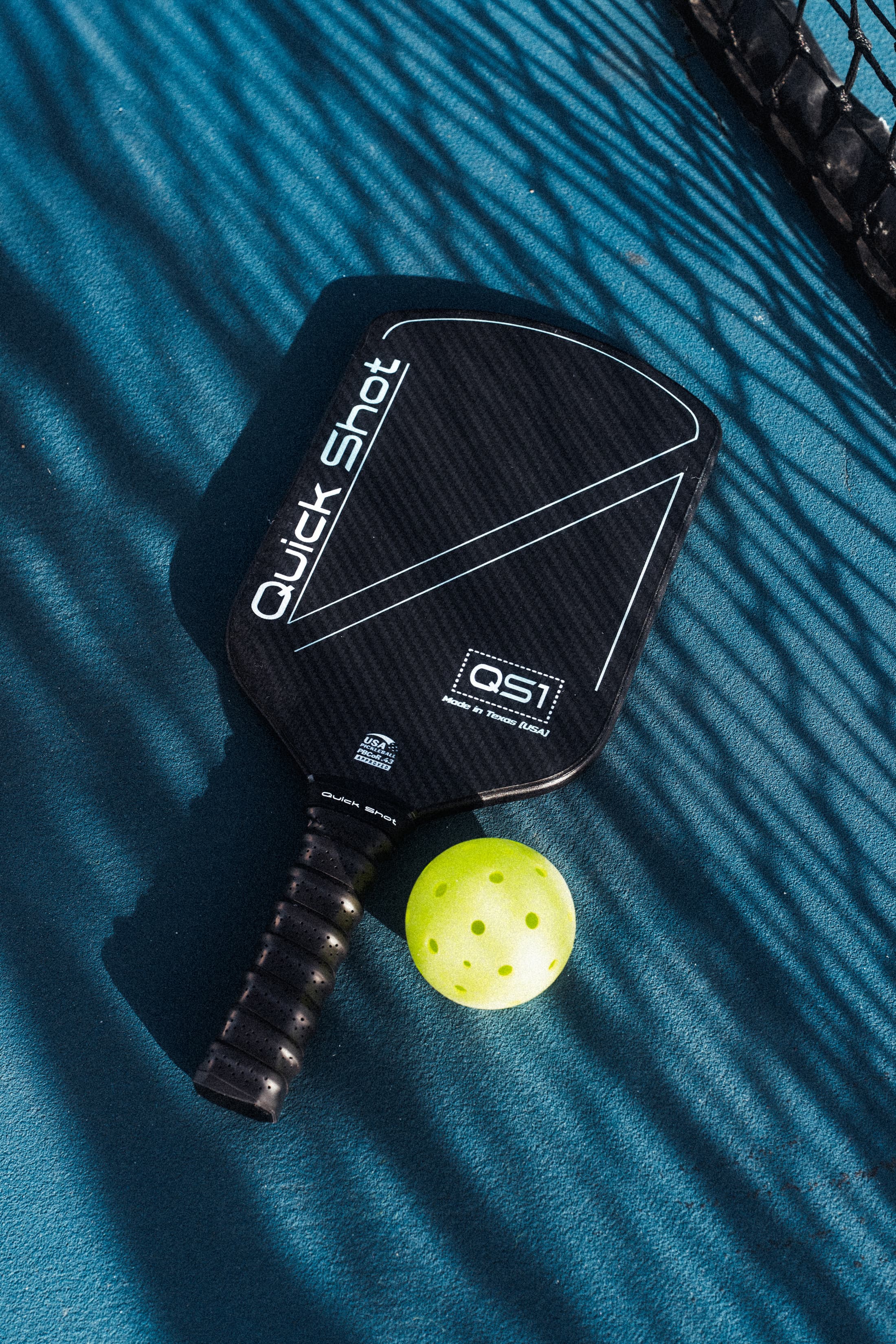
How We Build Quick Shot Paddles: From Raw Carbon Fiber to Your Hand
Most paddle brands show you the finished product — the glossy face, the clean edge, the logo. What they don't show is the process. At Quick Shot, the process is the product. Every paddle is manufactured in the US by our family in Texas, and we want you to see exactly how.
Step 1: CNC Cutting the Carbon Fiber
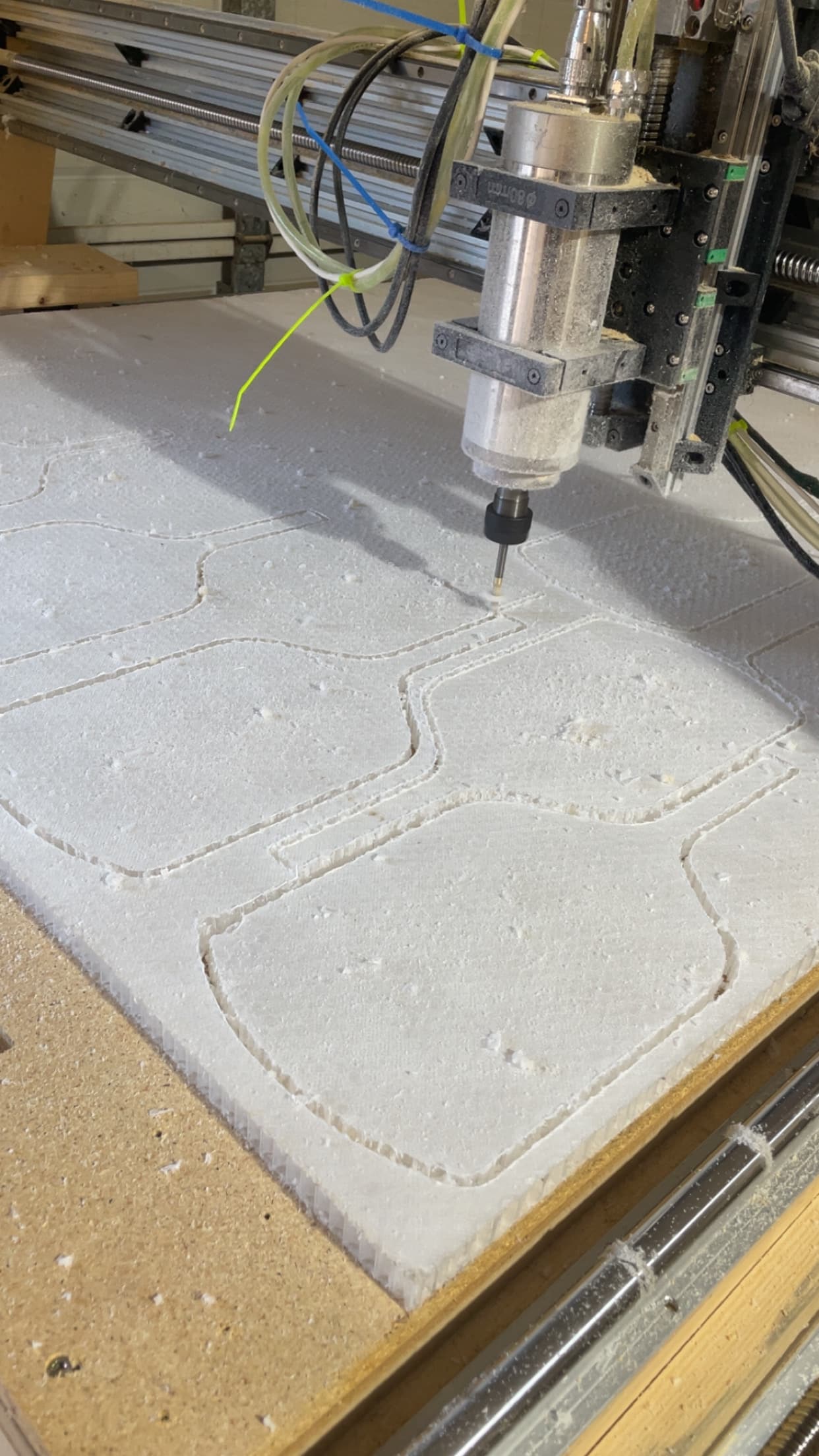
Everything starts with a sheet of raw 3K Twill carbon fiber. We load it into our CNC machine, which cuts the face shapes with sub-millimeter precision. CNC cutting ensures every paddle face is identical in size and shape — consistency that hand-cutting can't achieve.
Watch the CNC machine cut through carbon fiber in real time:
The sound you hear in the video is the diamond-coated bit slicing through layered carbon fiber weave. Each sheet is inspected after cutting — any frayed edges or inconsistencies, and the piece goes back to be recut.
Step 2: Preparing the Honeycomb Core
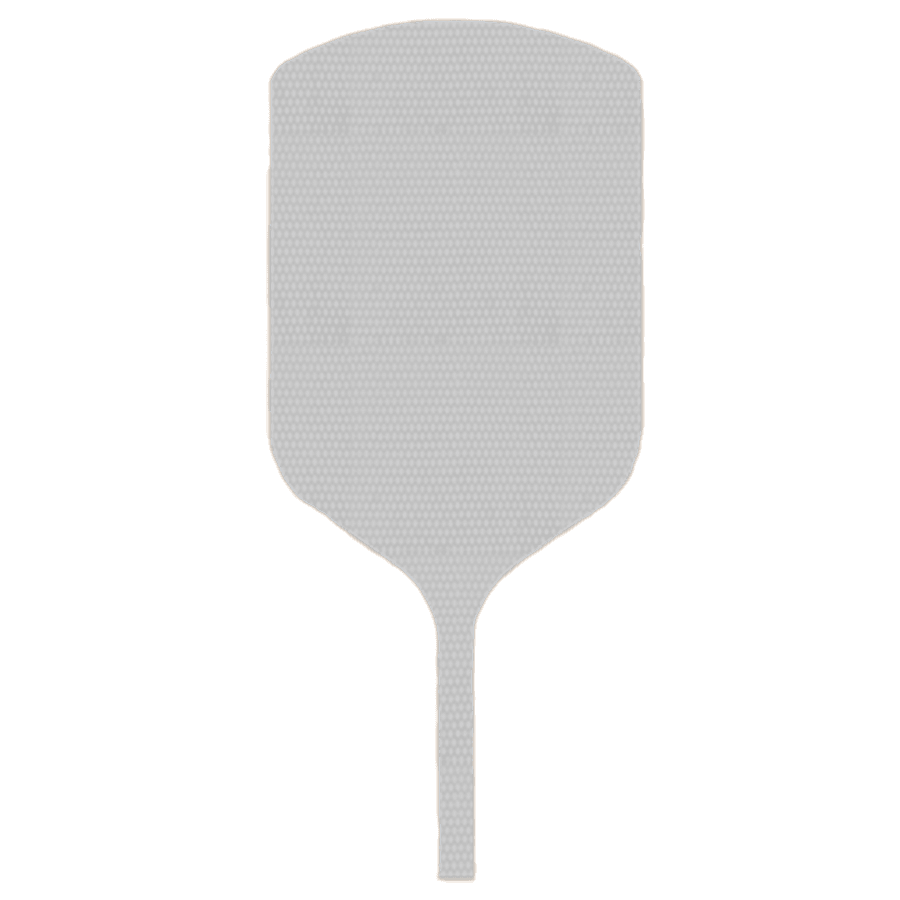
While the faces are being cut, we prepare the polypropylene honeycomb core. Our paddles use a 14mm polypropylene honeycomb — the sweet spot between power and control. The core is cut to shape and inspected for cell uniformity. Uneven cells mean uneven energy distribution, which means dead spots on the paddle face.
Step 3: Laying and Pressing the Face
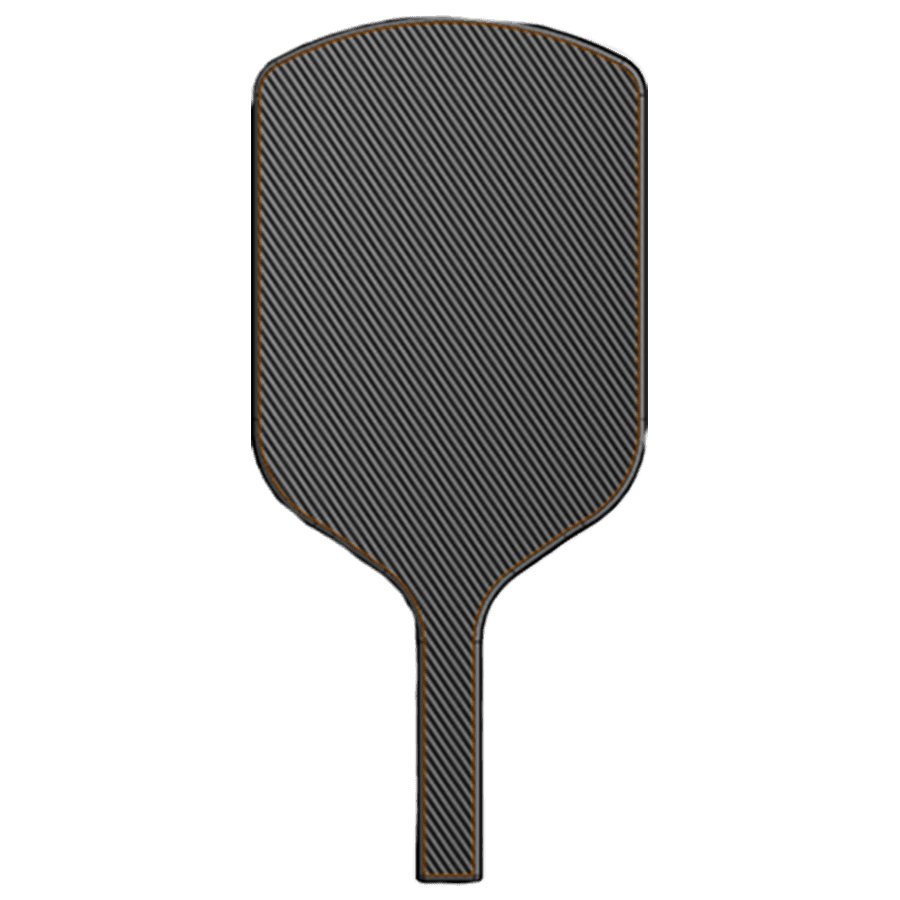
This is where the hands-on work matters most. Each carbon fiber face is laid onto the core individually, with resin applied at a controlled ratio. Too much resin and the paddle becomes heavy and dead. Too little and the face won't bond properly. We've dialed in our ratio through hundreds of prototypes.
The assembled paddle goes into our press, where heat and pressure cure the resin and bond the face to the core. Press time and temperature are calibrated for each batch — ambient humidity and temperature affect cure characteristics, and we adjust accordingly.
Step 4: Hand-Finishing the Edges
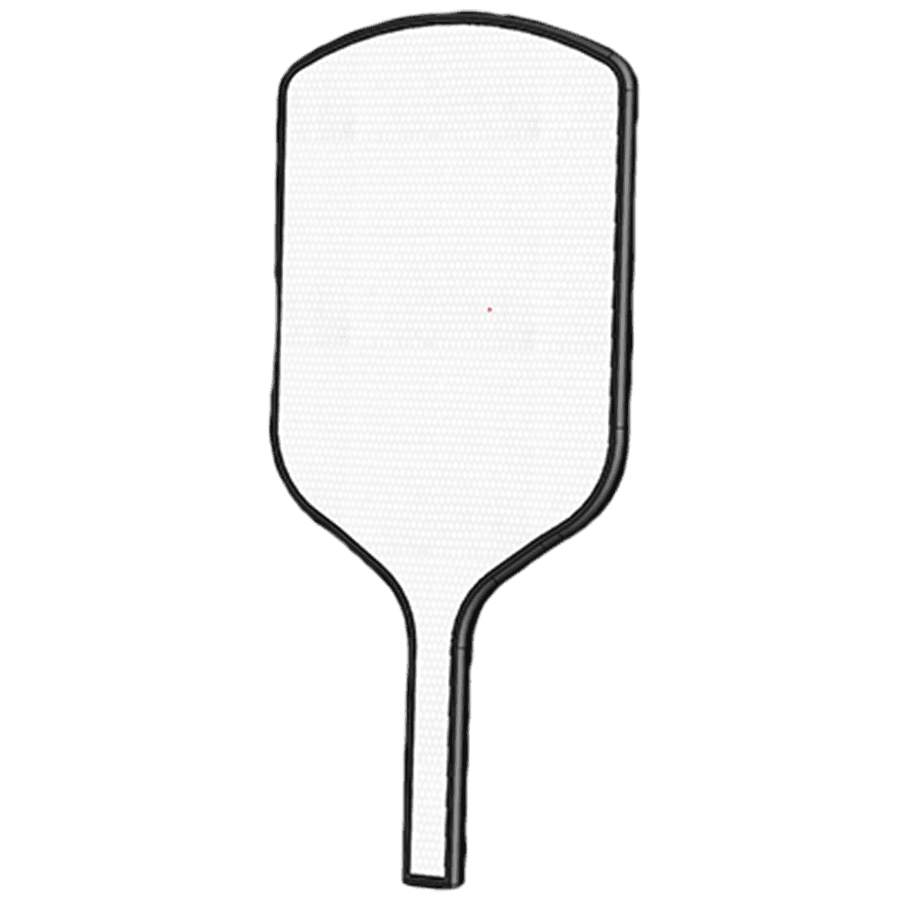
After pressing, every paddle is edge-finished by hand. This step is where factory-made and hand-built paddles diverge the most. We sand, shape, and seal each edge individually — filling any micro-gaps between the face and core, ensuring a clean bond with no air pockets.
Step 5: The Build in Action
Here's a full look at the build process from start to finish — raw materials becoming a finished Quick Shot paddle:
Step 6: NFC Programming and Final Inspection
Every Quick Shot paddle gets an embedded NFC smart tag before final assembly. We program each chip with the paddle's unique serial number, model info, and verification data. When you tap your phone to the paddle, you can instantly see its specs, register ownership, and verify authenticity through the QS Connect app.
The final step: every single paddle is play-tested and inspected by the same person who built it. If anything feels off — balance, sound, response — it doesn't ship. That's the difference between a paddle built one at a time and one mass-produced.
Ready to Upgrade Your Game?
Shop premium pickleball paddles, designed and manufactured in the US — carbon fiber faces, honeycomb cores, USA Pickleball approved.
Shop Quick Shot Paddles
Lead engineer behind every Quick Shot paddle. Writes about materials, construction, and the engineering behind high-performance paddles.