Mastering the Pickleball Serve: Technique and Strategy
Learn the fundamentals of a legal pickleball serve, refine your technique, and develop strategies to make your serves more effective and consistent.

4 min read
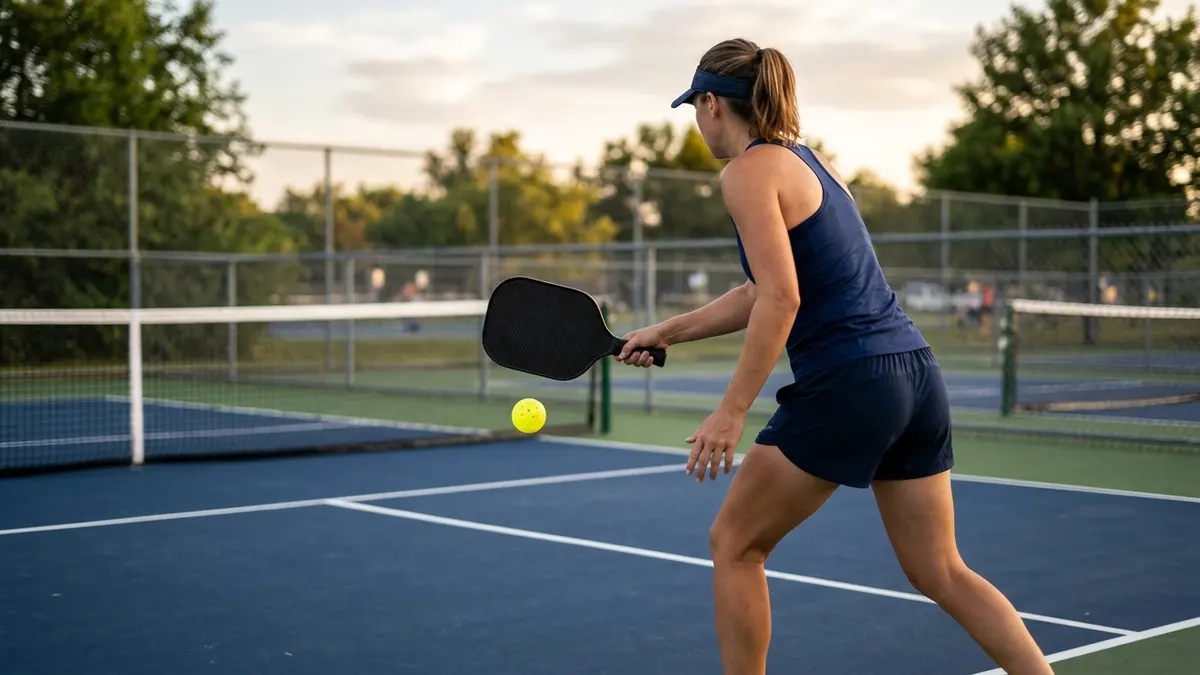
A strong serve sets the tone for the point in pickleball. It is your first opportunity to control the rally. A consistent, well-placed serve can put your opponents on the defensive immediately. Understanding the rules and refining your technique are key steps to improving your game.
The Legal Pickleball Serve
USA Pickleball rules define a legal serve. It must be hit underhand. The paddle head must be below your wrist when you strike the ball. Contact with the ball must occur below your waist. You must serve diagonally across the court. The ball must clear the net and land within the opponent’s service court. You get one serve attempt, unless you fault by hitting the net and the ball still lands in the service court, in which case you get a re-serve. Most players serve without bouncing the ball first, but the drop serve is also legal. With a drop serve, you drop the ball and hit it after one bounce. The ball cannot be propelled downwards or thrown up to create a bounce.
Stance and Grip
Start with a comfortable, athletic stance. Face the net with your non-hitting shoulder pointing towards your target. Your feet should be about shoulder-width apart. For most serves, a continental grip is effective. This means holding the paddle like you are shaking hands. It allows for natural wrist movement and paddle face control.
The Toss
Consistency in your toss is critical. Hold the ball out in front of you. Gently drop or release the ball. Do not throw it up with force. The ball should fall naturally to the height where you intend to make contact. A consistent toss leads to consistent contact.
Paddle Swing and Contact
Your swing should be a smooth, pendulum-like motion. Keep your arm relatively straight but not locked. Swing low to high. Make contact with the ball slightly in front of your body. Aim for the center of your paddle’s sweet spot. This provides the most power and control. The 14mm polypropylene honeycomb core in the QS1 Blue helps widen this sweet spot for more forgiving contact.
Follow Through
After contact, continue your swing. Let the paddle finish high and across your body. A full follow-through ensures you are driving through the ball. It adds pace and improves accuracy.
Serve Strategy
A legal serve is just the start. An effective serve has a clear purpose. You want to force a weak return or create an advantage for your team.
Serve Placement
Aim for specific spots in the service box. Deep serves near the baseline force opponents to move back. This can open up the court. Wide serves, especially to the corners, pull opponents off-center. This makes their return more challenging. Serving to your opponent’s backhand side is often a good default strategy. Many players have a weaker backhand return.
Varying Serve Speed
Do not hit every serve with maximum power. Mix up your pace. A slower, well-placed serve can be just as effective as a fast one. It can disrupt an opponent’s timing. Varying speed keeps them guessing and makes it harder to anticipate your serve.
Adding Spin
Spin adds another layer of complexity for your opponent. Topspin makes the ball dip sharply after clearing the net. Slice makes the ball curve and skid. To generate spin, brush across the ball rather than hitting it flat. The raw 3K twill carbon fiber face on the QS1 Pink paddle provides significant texture. This texture helps grip the ball and generate more spin. You can use spin to pull opponents wide or force an awkward return.
Setting Up the Third Shot
Your serve’s main goal is to set up your team’s third shot. A good serve forces a soft return. This allows you to hit an effective third-shot drop or drive. Practice serving with the third shot in mind. Focus on placement and spin that makes the return predictable.
Common Serving Mistakes and Fixes
- Hitting the ball too high on the toss: Practice dropping the ball consistently to the ideal contact point. Use a controlled release, not a throw.
- Improper contact point: Ensure you are hitting the ball in front of your body, not beside or behind it. This allows for full power transfer.
- Lack of follow-through: A short follow-through limits power and accuracy. Extend your swing fully through the ball.
- Serving to the same spot: Opponents will adapt. Vary your targets and speed to keep them off balance.
Drills for Serve Improvement
- Target practice: Place cones or towels in the service box. Aim for them with 10-20 serves. Focus on accuracy over power.
- Spin practice: Practice hitting serves with topspin and slice. Focus on the brushing motion required for spin. Observe how the ball behaves.
- Serve progression: Start with easy serves, then gradually increase power and spin. Focus on maintaining consistency at each step.
Improving your serve takes repetition. Focus on the fundamentals. Experiment with placement and spin. A consistent, strategic serve will elevate your game.
The short version
- Master the legal serve rules: underhand, paddle head below wrist, contact below waist.
- Focus on a consistent toss, smooth swing, and full follow-through for accuracy and power.
- Vary your serve placement and speed to keep opponents off balance.
- Utilize a raw carbon fiber paddle face, like on the QS1, to generate more spin.
- Practice regularly to build consistency and confidence in your serve.
Find the right paddle to support your serve technique at the Quick Shot Paddles shop.
Frequently asked questions
What are the basic rules for a legal pickleball serve?
A legal pickleball serve must be hit underhand, with the paddle head below the wrist at contact. The ball must be contacted below the waist. It must also land diagonally into the opponent's service court, clearing the net.
How can I make my pickleball serve more effective?
To make your serve more effective, focus on placement. Aim for the corners, deep in the service box, or at an opponent's weaker backhand. Varying your serve speed and adding spin can also keep your opponents off balance and force weaker returns.
Does my paddle choice affect my serve?
Yes, your paddle can affect your serve. A paddle with a raw carbon fiber face, like the QS1, provides texture that helps grip the ball for generating more spin. A paddle with a wide sweet spot also makes consistent contact easier, which is important for serve accuracy and power.