The Two-Bounce Rule in Pickleball: A Core Principle
Understand the essential two-bounce rule in pickleball, which dictates how the serve and return must be played to ensure fair, strategic rallies.

4 min read
The two-bounce rule is fundamental to pickleball. It sets the game apart from sports like tennis and helps create the unique flow of a pickleball rally. Every player, from beginner to advanced, needs to understand this rule. It dictates how the first two shots of every point must be played.
What is the Two-Bounce Rule?
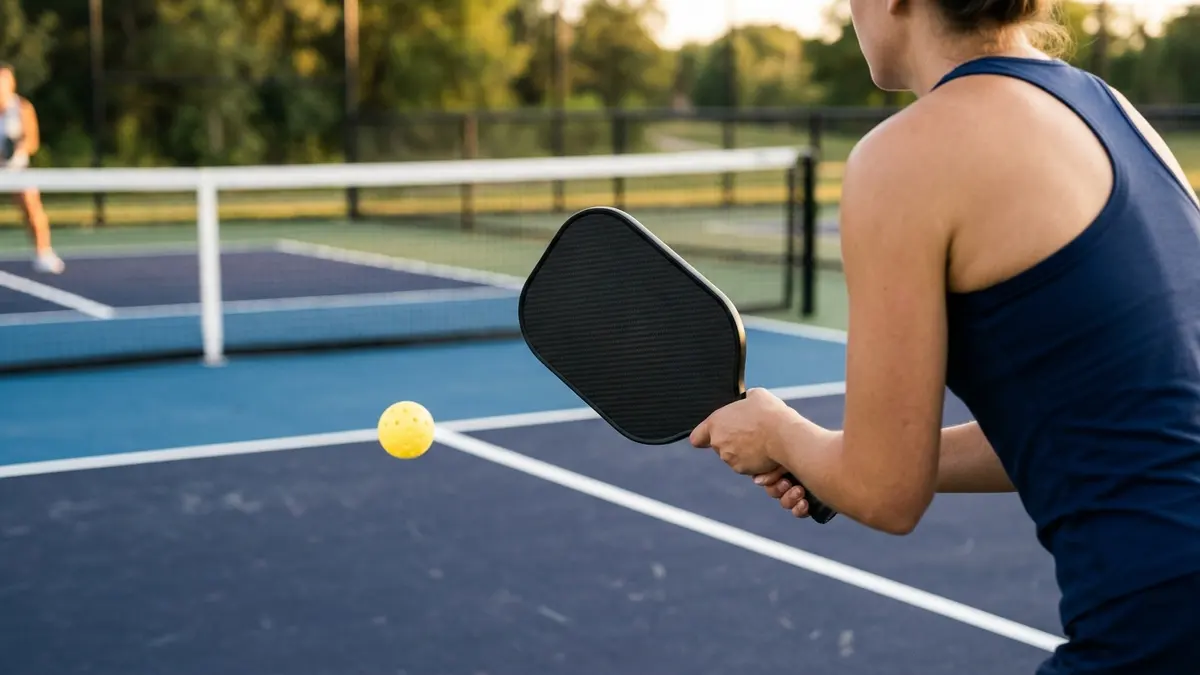
The rule states that the serving team must allow the ball to bounce once on the receiving team’s side before hitting it. Then, the receiving team must also allow the ball to bounce once on the serving team’s side before hitting it back. Only after these two mandatory bounces—one on each side of the net—can players hit the ball out of the air (volley) or after a bounce.
This means the serve must bounce. The return of serve must bounce. After that, any shot can be volleyed or hit off a bounce.
Why the Rule Exists
The two-bounce rule, also known as the “double bounce rule” or “two-bounce minimum,” serves several purposes. It helps ensure fair play and makes the game more accessible. It prevents players from rushing the net immediately after the serve or return to hit an aggressive volley. This allows both teams to establish position and encourages longer rallies. It also emphasizes strategy, touch, and patience over pure power from the baseline.
How It Works in Play
Let’s trace a point from the serve to understand the rule’s application:
The Serve
The serving player hits the ball diagonally into the opponent’s service court. The ball must clear the net and land within the service court lines. The receiving player must let this ball bounce once before hitting it back over the net.
The Return of Serve
After the receiver hits the ball, it travels back to the serving team’s side. The serving team must also let this return of serve bounce once before hitting it. This is the second mandatory bounce.
After the Two Bounces
Once the ball has bounced once on the receiving side (the serve) and once on the serving side (the return), the two-bounce rule is satisfied. From this point forward, players can choose to volley the ball (hit it out of the air before it bounces) or let it bounce before hitting it. This is where strategic net play, dinks, and volleys become common.
Strategic Impact of the Rule
The two-bounce rule fundamentally shapes pickleball strategy, especially for the crucial third shot.
Because the serving team cannot volley the return of serve, they are often positioned further back in the court. This setup makes the third shot a critical decision point. Players often choose between:
- The Third Shot Drop: A soft shot hit from near the baseline that lands in the opponent’s non-volley zone (NVZ). This allows the serving team to move forward to the net. The raw 3K twill carbon fiber face of a paddle like the QS1 in Blue provides the texture and feel needed for precise drops and resets. The 14mm polypropylene honeycomb core also helps widen the sweet spot, making consistent contact easier.
- The Third Shot Drive: A harder shot hit with pace, aiming to put pressure on the receiving team. This can be effective, but carries more risk and may not allow the serving team to advance to the net as easily.
Both options are a direct consequence of the two-bounce rule. Players must develop touch and control to execute these shots effectively. The QS1 in Pink offers the same material advantages for these strategic plays.
Common Errors Related to the Rule
New players often make mistakes with the two-bounce rule:
- Volleying the serve: This is an immediate fault for the receiving team.
- Volleying the return of serve: This is an immediate fault for the serving team.
Understanding when you can and cannot volley is key to avoiding faults and playing legally. All Quick Shot paddles are USA Pickleball approved, meaning they meet the specifications for sanctioned play where this rule applies.
The short version
- The serve must bounce once on the opponent’s side.
- The return of serve must bounce once on the server’s side.
- After these two bounces, players can volley the ball or hit it off a bounce.
- The rule encourages strategic play, especially the third shot drop.
- Failing to let the ball bounce on the first two shots results in a fault.
Mastering this rule is essential for consistent play and advancing your game. Explore more about paddle technology and how it helps your game on our technology page.
Related Guides
Frequently asked questions
What is the two-bounce rule in pickleball?
The two-bounce rule states that the serve must bounce once on the receiving team's side, and the return of that serve must then bounce once on the serving team's side. After these two initial bounces, players can hit the ball out of the air (volley) or after a bounce.
Can I volley the serve or the return of serve?
No, you cannot volley the serve or the return of serve. Both of these shots must be allowed to bounce once on the opponent's side before they are hit. Attempting to volley either of these shots results in a fault.
When does the two-bounce rule no longer apply?
The two-bounce rule applies only to the first two shots of a rally: the serve and the return of serve. Once the ball has bounced once on each side of the net (serve bounces, return bounces), the rule is satisfied, and players can volley or hit the ball off a bounce for the remainder of the rally.