Mastering the Pickleball Dink Shot: Mechanics for Control
Learn the precise mechanics of a controlled dink shot in pickleball, from grip and stance to paddle angle and follow-through, to improve your short game.

5 min read
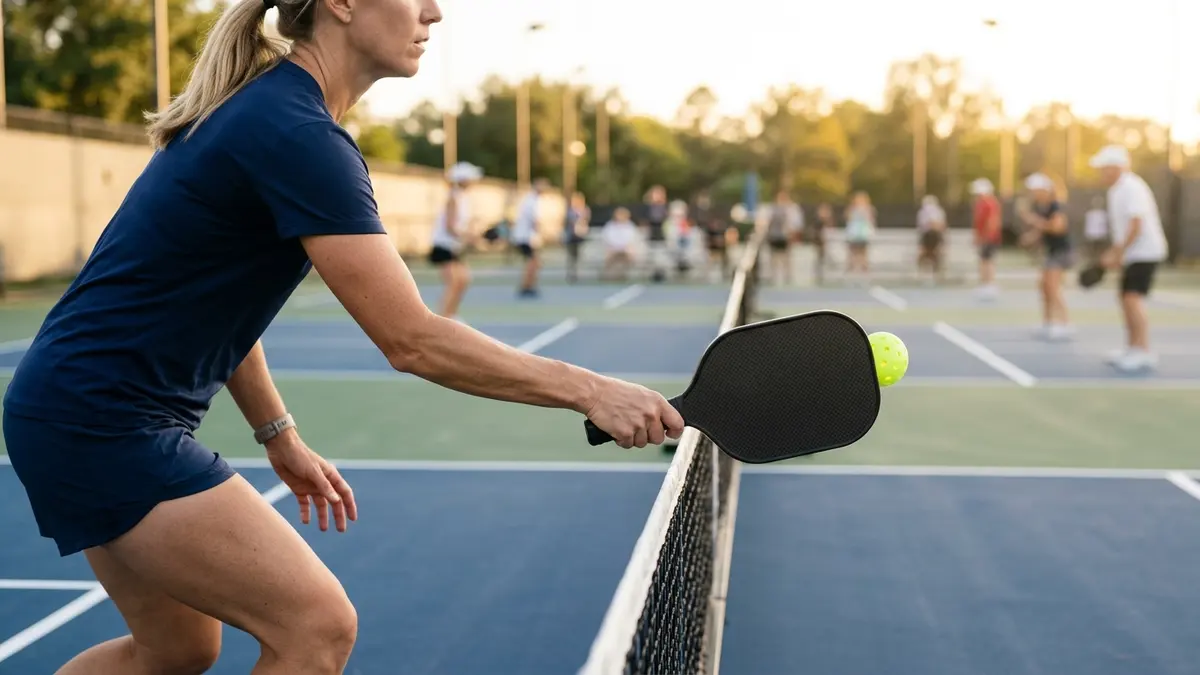
The dink shot is a fundamental part of pickleball. It is a soft shot that lands just over the net, within the opponent’s non-volley zone. A well-executed dink forces opponents to hit up on the ball, giving you an advantage at the net.
Mastering the dink requires precision and touch. It is not about power. It is about control and placement.
Why the Dink Shot Matters
Controlling the net is crucial in pickleball. The dink shot helps you do this. It keeps your opponents from attacking. It creates openings for you and your partner. A good dink makes your opponents move. It forces them to hit a difficult shot, often setting up an easier put-away for you. It is a patience game, played inches above the net.
The Mechanics of a Controlled Dink
Executing a consistent dink involves several key elements. Each part works together to create a soft, controlled shot.
Grip and Stance
Start with a continental grip. This grip allows for an open paddle face, which is necessary for lifting the ball over the net with touch. Stand in a ready position, slightly open, facing the net. Your weight should be balanced and ready to move.
Footwork and Positioning
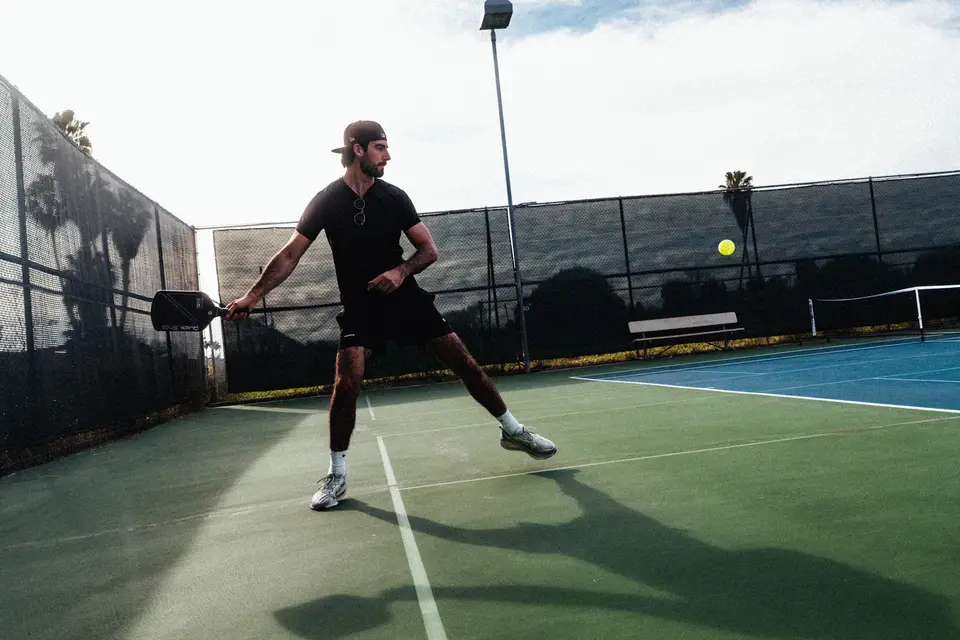
Move your feet to get behind the ball. Your paddle should be out in front of your body. Try to make contact at your side, but slightly forward. This allows you to push the ball rather than scoop it. Stay low. Bend your knees. Get your body under the ball.
Paddle Face Angle and Contact
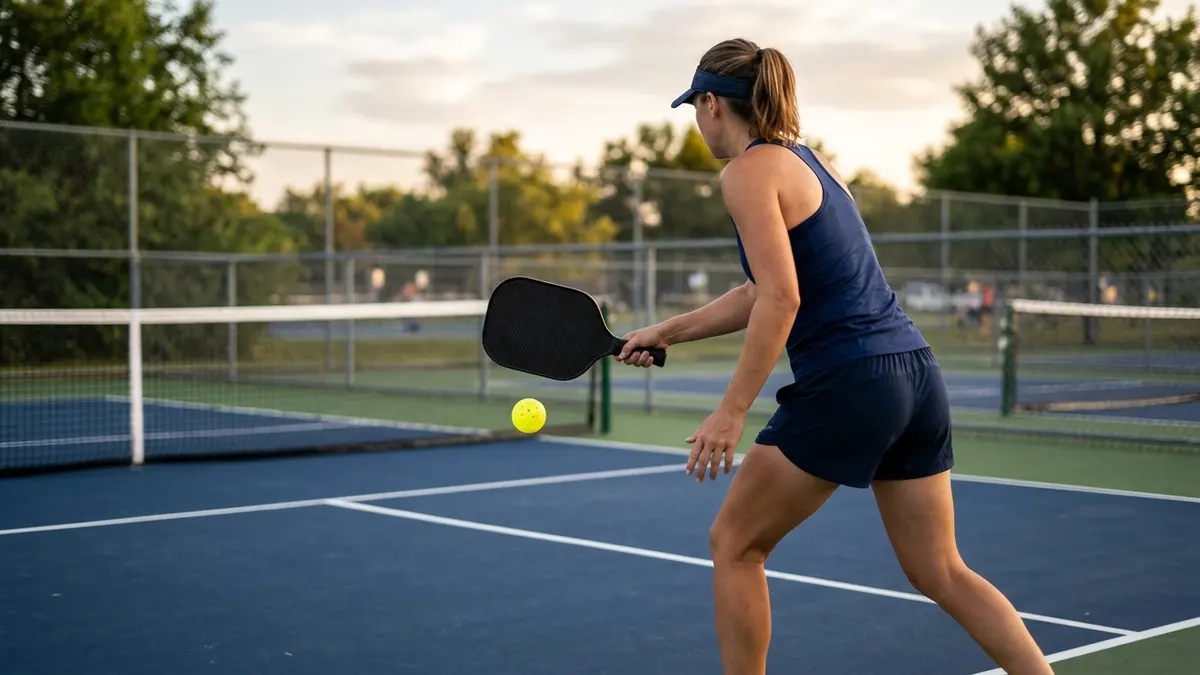
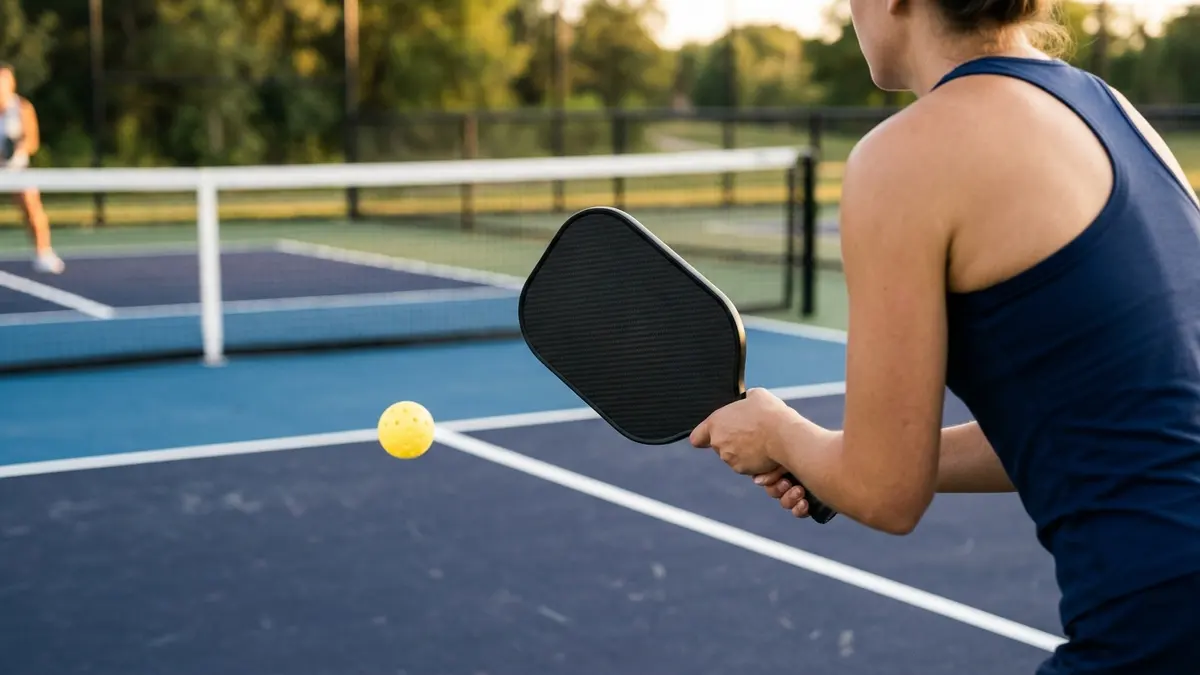
Keep your paddle face open, angled slightly upwards. The degree of openness depends on how low the ball is and how much lift you need. Make contact with the ball in front of your body and as low as possible. Hitting the ball low helps it stay low over the net. Aim for the bottom half of the ball. This helps create the necessary upward trajectory.
Swing Path and Follow Through
Your swing should be compact. It is a short, upward motion. Avoid a long backswing. Use your shoulder and forearm, not just your wrist. The motion is like pushing the ball gently over the net. Your follow-through should be short. It points towards your target. Do not swing through aggressively. This adds power you do not need for a dink. The goal is a soft touch, not force.
Soft Hands and Feel
Developing soft hands is critical for dinking. This means absorbing some of the ball’s pace. Use a relaxed grip. Let the paddle do some of the work. The goal is to cushion the ball, then guide it. This feel comes with practice and understanding your paddle’s response.
Paddle Choice for Dink Control
The right paddle can enhance your dink game. Paddles designed for control and touch are generally preferred. A raw carbon fiber face provides texture for spin and grip on the ball. This helps with precision. A thicker core can also contribute to a softer feel and a wider sweet spot.
The QS1 in Blue features a raw 3K twill carbon fiber face. This surface helps players grip the ball, making it easier to place dinks with accuracy and a little spin. The 14mm polypropylene honeycomb core softens off-center contact. It also widens the sweet spot. These features help with consistent dinking. The QS1 in Pink has the same specifications. Both paddles are designed and manufactured in our workshop in Texas. They are built for consistent play and control.
Learn more about how paddle materials affect your game in our guide on Raw Carbon Fiber Paddle Faces: Spin and Control Explained. You can also compare paddle types in Control vs Power Pickleball Paddles: How to Pick the Right One.
Common Dink Errors and How to Fix Them
Even experienced players make dinking mistakes. Recognizing them helps improve your game.
Hitting the Ball Too High
If your dinks float too high, opponents will attack. This often happens because the paddle face is too open, or you are hitting the ball too far back in your stance. Adjust your paddle angle. Make contact further in front of your body. Focus on staying low and pushing the ball just over the net.
Hitting into the Net
This is a common frustration. It can be caused by not enough upward motion or closing the paddle face too much. Ensure your swing path is slightly upward. Keep that paddle face open. Do not try to scoop the ball. Just guide it.
Lack of Consistency
Inconsistency comes from varying technique. Focus on repeating the correct grip, stance, contact point, and swing path every time. Drills help build muscle memory. Practice cross-court dinks consistently. Then move to straight-ahead dinks. Learn more about how the core affects your paddle in Honeycomb Core Technology: How It Affects Your Pickleball Game.
Dink Drills for Improvement
Consistent practice is key to mastering the dink. Here are a few drills:
- Cross-Court Dink Drill: Stand in the non-volley zone. Dink cross-court with your partner. Focus on landing the ball softly in the opponent’s non-volley zone. Keep score to add pressure.
- Straight-Ahead Dink Drill: Repeat the drill, but dink straight ahead to your opponent. This requires more precision as the net is lower in the middle.
- Around the Clock Dink: Start dinking cross-court. Then alternate between cross-court and straight-ahead dinks with your partner. This builds versatility.
Mastering your short game also involves other shots like the third-shot drop. Read our guide on Mastering the Third-Shot Drop in Pickleball for more.
The short version
- Use a continental grip and stay low, moving your feet to get under the ball.
- Keep your paddle face open and make contact in front of your body, hitting the bottom half of the ball.
- Use a short, upward swing path with a compact follow-through, focusing on soft hands.
- Practice regularly with dink drills to build consistency and placement.
- A paddle with a raw carbon fiber face and a thicker core, like the QS1, can enhance control and feel for dinking.
Explore all Quick Shot paddles and accessories in our shop.
Frequently asked questions
What is the key to a consistent dink shot?
The key is consistent mechanics: using a continental grip, staying low, and making contact in front of your body with an open paddle face. A short, upward swing path and a relaxed grip for soft hands are also critical for consistency.
How does my paddle affect my dink shot?
A paddle with a raw carbon fiber face offers texture for better grip on the ball, which helps with spin and precision for dinks. A thicker core, like the 14mm polypropylene honeycomb in the QS1, provides a softer feel and a wider sweet spot, improving touch and consistency on soft shots.
What are common mistakes when dinking and how can I fix them?
Common mistakes include hitting the ball too high or into the net. To fix high dinks, ensure your paddle face is not too open and make contact further in front. To avoid hitting into the net, ensure you have a slight upward swing path and keep the paddle face open enough to lift the ball.