Raw Carbon Fiber Paddle Faces: Spin and Control Explained
Learn how raw carbon fiber paddle faces are engineered to enhance ball control and generate consistent spin in pickleball.

3 min read
Raw carbon fiber paddle faces are changing how players approach spin and control in pickleball. This material is not just a surface; it is a key component engineered to interact with the ball in specific ways. Understanding how it works can help you choose a paddle that fits your game.
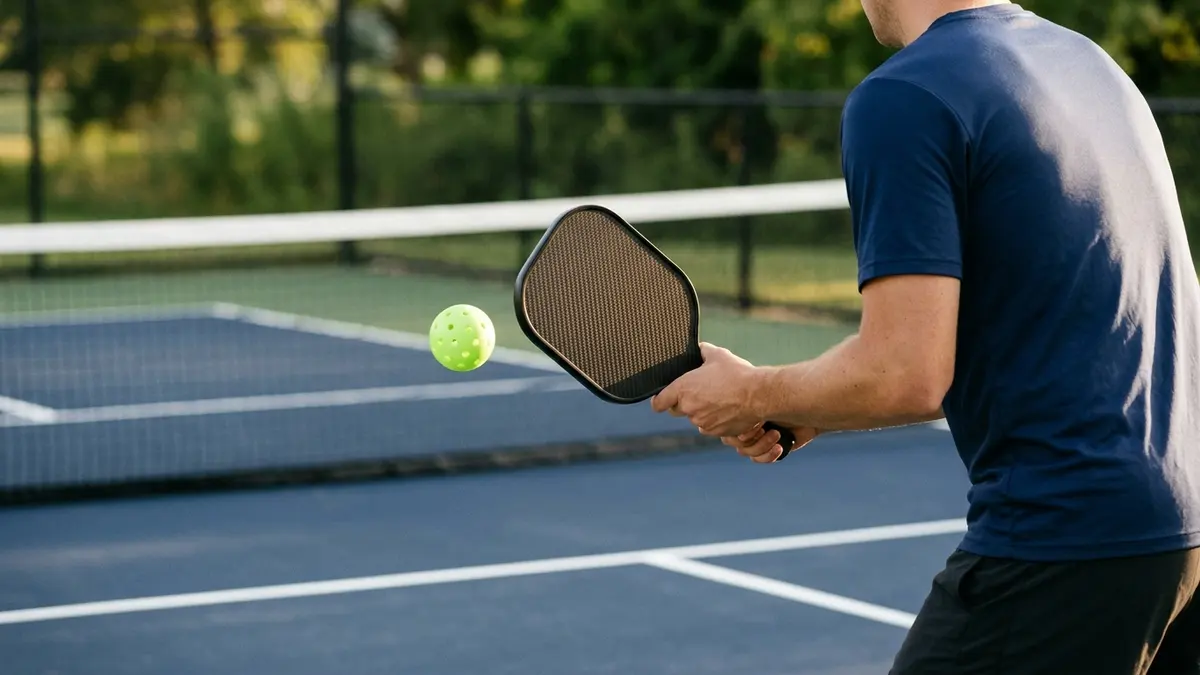
Raw carbon fiber refers to the exposed weave of the carbon fiber material, without a paint layer or thick coating. This surface is naturally textured. It is designed to grip the pickleball, allowing players to impart more spin and maintain better control over shot placement.
What is Raw Carbon Fiber?
Carbon fiber itself is a strong, lightweight material made of very thin strands of carbon atoms woven together. For pickleball paddles, these strands are often woven into patterns like a 3K twill. The “3K” indicates that each bundle of carbon fiber contains 3,000 filaments. The “twill” refers to the diagonal rib pattern of the weave, which creates a distinct texture. This raw texture is critical for ball interaction.
When a paddle face is raw, it means this woven texture is exposed. There is no smooth, slick paint or heavy clear coat to cover it. This allows the natural peaks and valleys of the weave to engage with the ball.
How Raw Carbon Fiber Enhances Spin
The textured surface of a raw carbon fiber paddle face creates friction with the pickleball. When you strike the ball with an open or closed paddle face and a glancing blow, this friction grabs the ball. This grabbing action imparts rotation, or spin.
Surface Texture and Ball Dwell Time
The rougher, raw texture increases the ball’s dwell time on the paddle face. Dwell time is the brief moment the ball stays in contact with the paddle. A longer dwell time allows the paddle face to apply more force and direction to the ball. This includes the rotational force needed for spin.
Consider the raw 3K twill carbon fiber face on the QS1 - Blue or QS1 - Pink. The specific weave pattern directly contributes to its ability to generate spin. This is not about a temporary grit coating; it is about the inherent structure of the material itself.
Improving Control with Raw Carbon Fiber
Beyond spin, raw carbon fiber faces contribute significantly to control. The increased friction and dwell time give players a better feel for the ball. This allows for more precise shot placement.
Consistent Ball Response
A raw carbon fiber face offers a consistent response across its surface. This consistency is important for control. When the ball hits the paddle, the textured surface interacts with it predictably, regardless of the exact point of contact. This predictability helps players maintain accuracy, especially on delicate shots like dinks and resets.
Pairing with the Core
The paddle’s core material works with the face to further enhance control. The QS1, for example, uses a 14mm polypropylene honeycomb core. This type of core widens the sweet spot and softens off-center contact. This combination of a textured raw carbon face and a forgiving core creates a paddle that offers both spin capability and a high degree of control.
Many thermoformed paddles also use raw carbon fiber faces. The thermoforming process integrates the core and face materials more thoroughly, which can further stabilize the paddle and enhance the feel, contributing to better control. You can learn more about this in our guide on Thermoformed vs Traditional Pickleball Paddles: What’s Actually Different?.
Durability and Lifespan
Raw carbon fiber faces are also known for their durability. Unlike painted surfaces that can wear down, the texture of raw carbon fiber is inherent to the material. This means the spin-generating capability tends to last longer. The 3K twill weave is robust. It withstands repeated impact from the pickleball.
Proper care still extends the life of any paddle. Cleaning your paddle regularly helps maintain its surface properties. Our guide on Pickleball Paddle Care: How to Clean & Maintain a Raw Carbon Fiber Face offers practical tips.
The short version:
- Raw carbon fiber faces, like 3K twill, have an exposed, natural texture.
- This texture creates friction, increasing ball dwell time for enhanced spin.
- The consistent surface interaction also improves control and shot placement.
- Paddles like the QS1 combine a raw carbon face with a stable core for balanced play.
- The texture is durable and provides lasting spin capability.
Explore our range of paddles and learn more about our technology on the Quick Shot Paddles shop or the technology page.
Frequently asked questions
What is the main difference between raw carbon fiber and other paddle faces?
Raw carbon fiber faces have an exposed, natural texture from the woven carbon filaments, such as 3K twill. Other paddle faces might have a smooth paint layer, a grit coating, or be made from different materials like fiberglass, which do not offer the same inherent texture for spin and control.
Does raw carbon fiber wear out faster than other paddle surfaces?
No, the texture of raw carbon fiber is inherent to the material itself, not an applied coating. This means its spin-generating properties tend to be more durable and long-lasting compared to grit coatings that can wear off over time. The material is designed for robust play.
How does raw carbon fiber improve my game?
The textured surface of raw carbon fiber increases friction and ball dwell time. This allows you to impart more spin on your shots, making them harder for opponents to return. It also provides a more consistent feel, leading to better control and precision in your shot placement.