How to Generate More Spin in Pickleball: Paddle + Technique Guide
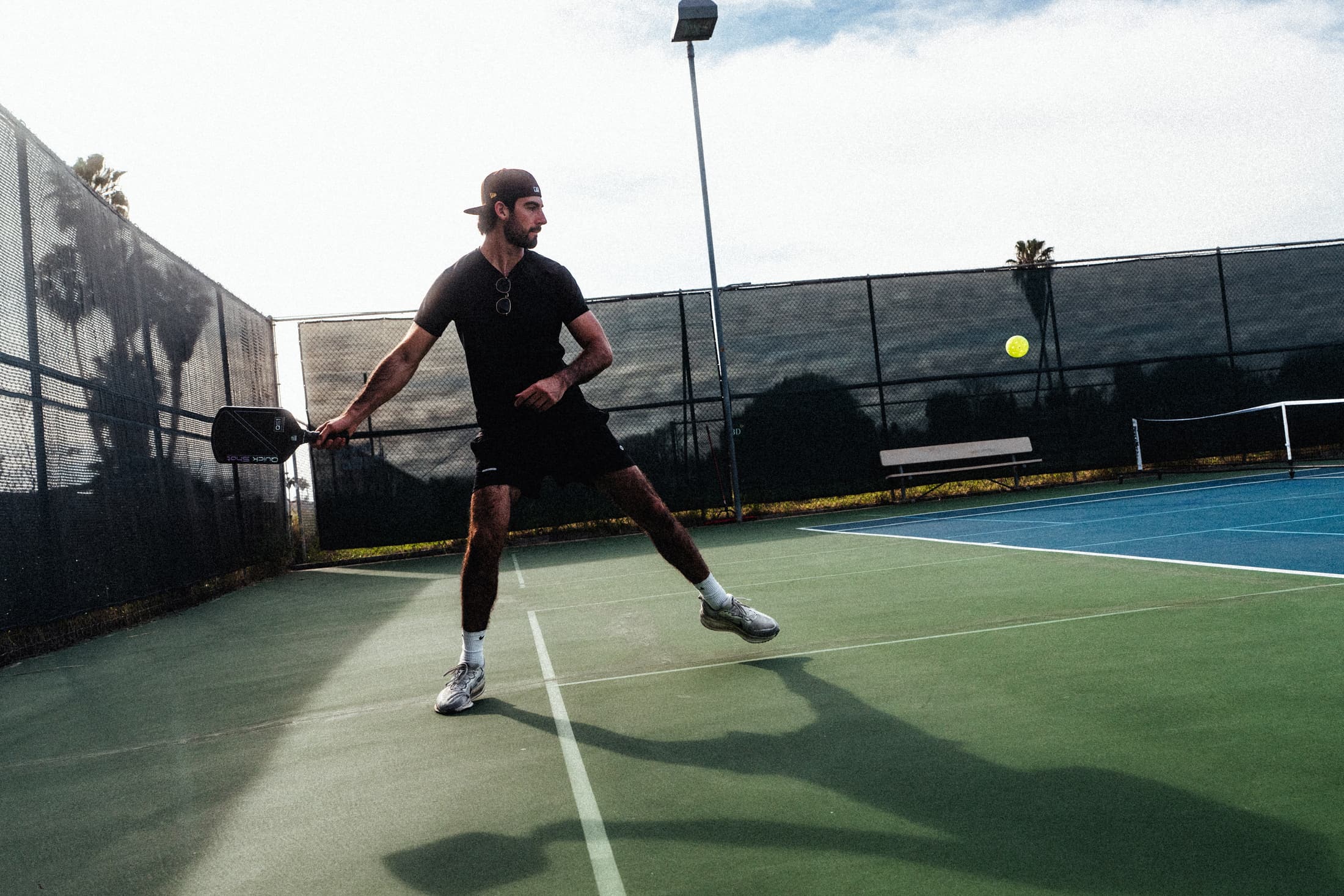
Spin is the most satisfying shot in pickleball. A dipping topspin drive that drops at the baseline, a slice serve that skids off the line, a topspin roll volley that angles away — these shots win matches. Generating them consistently comes down to three factors that compound: paddle face, swing path, and contact.
Factor 1: The Paddle Face
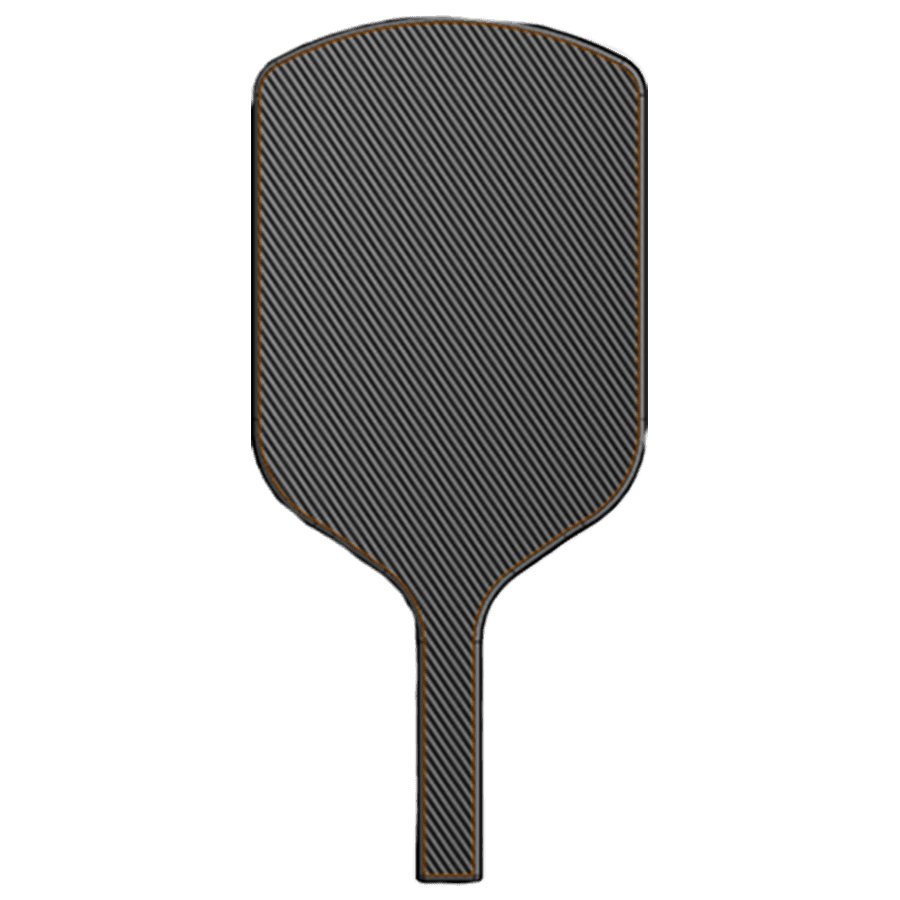
You cannot out-technique a smooth paddle. The face material and its surface texture account for roughly 50% of the RPM you can generate. Raw carbon fiber is the gold standard, and specifically 3K Twill-grade raw carbon fiber — the same aerospace material used in our paddles.
The key word is raw. Many paddles market themselves as "carbon fiber" but have a clear epoxy coating or decorative paint on top. Coatings flatten the microscopic peaks that grip the ball. A coated carbon paddle spins about the same as a painted fiberglass paddle — which is to say, not much.
Our dedicated guide on carbon fiber vs fiberglass goes deeper into the material science.
Factor 2: Swing Path
Spin comes from friction between the paddle face and the ball surface at the moment of contact. Friction happens when the paddle is moving in a different direction than the ball. So:
- Topspin drive: Swing low to high. The paddle brushes up the back of the ball on contact.
- Topspin dink: Short compact swing with a slight low-to-high wrist flick at contact.
- Slice (backspin): Swing high to low with an open face. The paddle brushes down the back of the ball.
- Side spin: Swing across the ball diagonally, adding lateral friction.
The faster you can brush past the ball, the more RPM you generate. This is why short, compact swings can still produce heavy spin if they are accelerating sharply at contact.
Factor 3: Contact Point
Contact above the sweet spot (toward the tip of the paddle) generates more spin but loses some power. Contact below the sweet spot (toward the throat) generates less spin but more stability. Most spin-heavy shots are hit slightly above the geometric center of the paddle.
Elongated paddles shift the sweet spot toward the tip, which is why they are associated with spin. Widebody paddles have a more central sweet spot and require slightly better contact discipline for heavy-spin shots. See our elongated vs widebody guide for the trade-off.
Drills That Build Spin
Drill 1: Wall Topspin Loops
Stand 5–8 feet from a wall. Feed yourself a low bounce and swing through it low-to-high, letting the ball come off the wall and return. Aim for the ball to bounce once, spin visibly, and come back to you in a consistent arc. 50 reps each side.
Drill 2: Third-Shot Drop with Topspin
Most players hit third-shot drops flat. Add a tiny brush of topspin on contact — the ball will drop sharper on the other side of the net and sit up less for the receiver. It takes practice, but once you have it, your 3rd shots become almost ungattackable.
Drill 3: Roll Volley
At the kitchen line, take a dink ball that bounces above net height and roll topspin across it with a short swing. The ball dips sharply back into the kitchen on the other side — one of the hardest shots to defend against.
Ready to Upgrade Your Game?
Shop premium pickleball paddles, designed and manufactured in the US — carbon fiber faces, honeycomb cores, USA Pickleball approved.
Shop Quick Shot PaddlesFace Maintenance for Maximum Spin
A raw carbon fiber paddle stays spinny longer if you take care of it:
- Wipe the face with a damp microfiber cloth after every session.
- Every 1–2 weeks, rub the face gently with a Magic Eraser — this lifts ball residue out of the micro-texture.
- Don't let the paddle bake in a hot car. High heat flattens the resin matrix over time.
- Replace the paddle when face spin noticeably drops — usually 12–18 months of regular play.
More detail in our paddle care and maintenance guide.
Why Our Paddles Spin
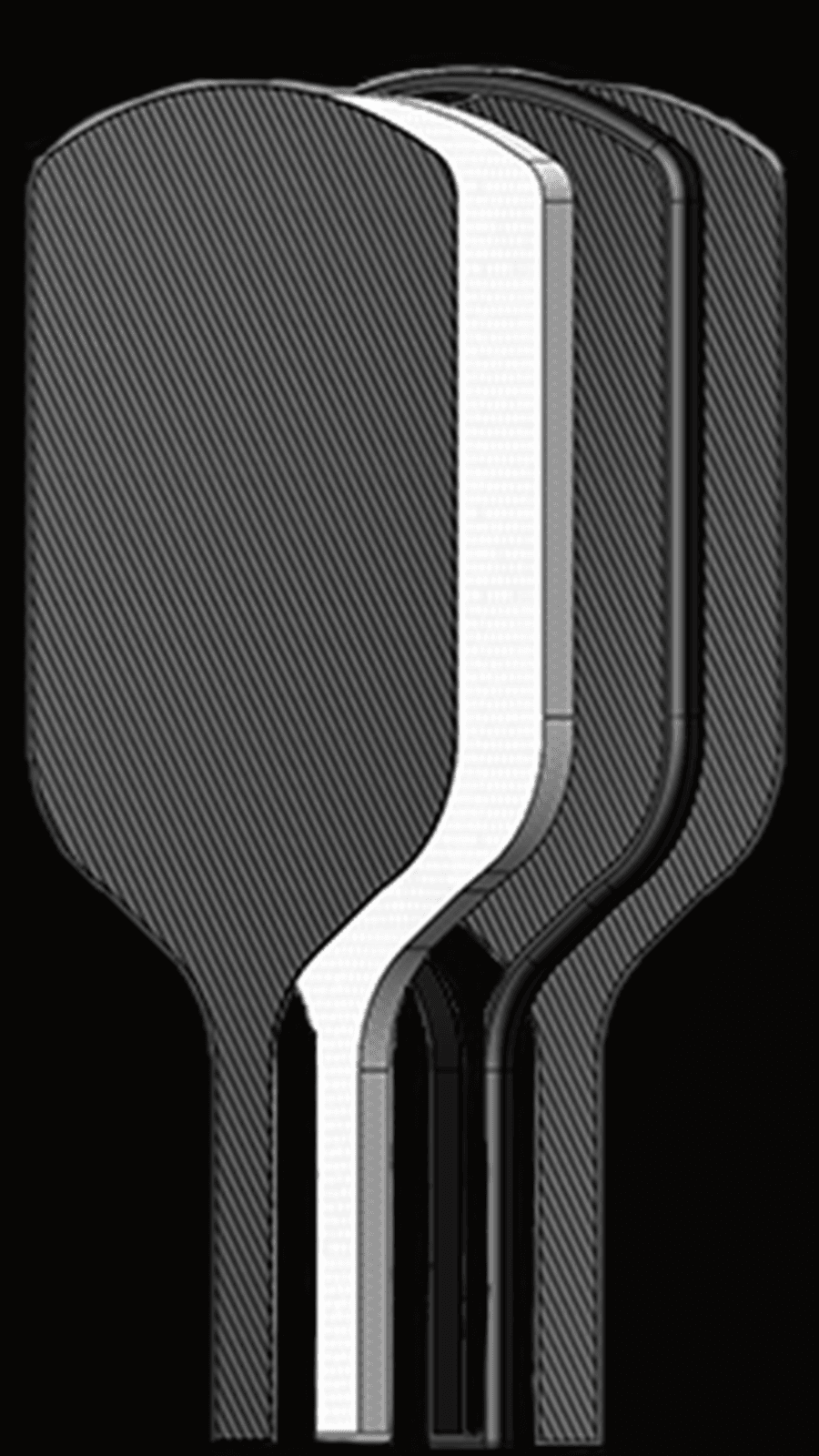
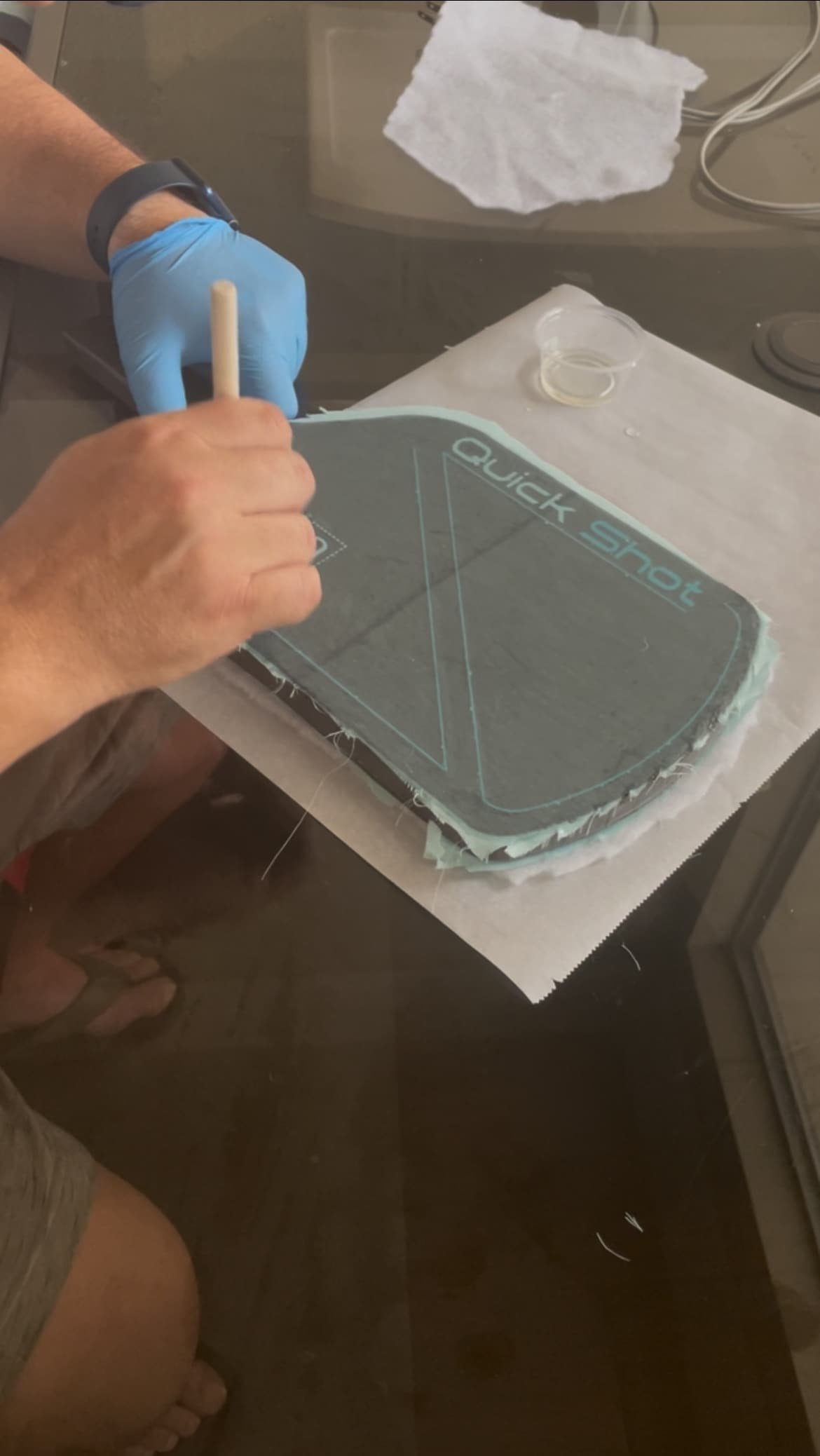
Every Quick Shot paddle uses genuine raw 3K Twill carbon fiber — not painted, not coated, not "carbon fiber feel." The micro-texture you need for spin is still there on the face of every paddle that leaves our workshop. Combined with our hybrid edge geometry and 14mm or 16mm core options, the result is a paddle built for modern high-spin pickleball.
?Frequently Asked Questions

Co-founder and lead play-tester at Quick Shot Paddles. Sets the performance bar for every paddle before it ships.